Financing the Transition
Shifting EU finance away from fossil fuels towards climate-neutral economies.
-
The EU’s long-term budget, the so called Multiannual Financial Framework (MFF), sets the spending priorities for the annual EU budgets over a seven-year period. It greatly translates the EU policy objectives into action. It defines objectives, priorities and conditions of EU funding respectively the policies EU funds are supposed to finance.
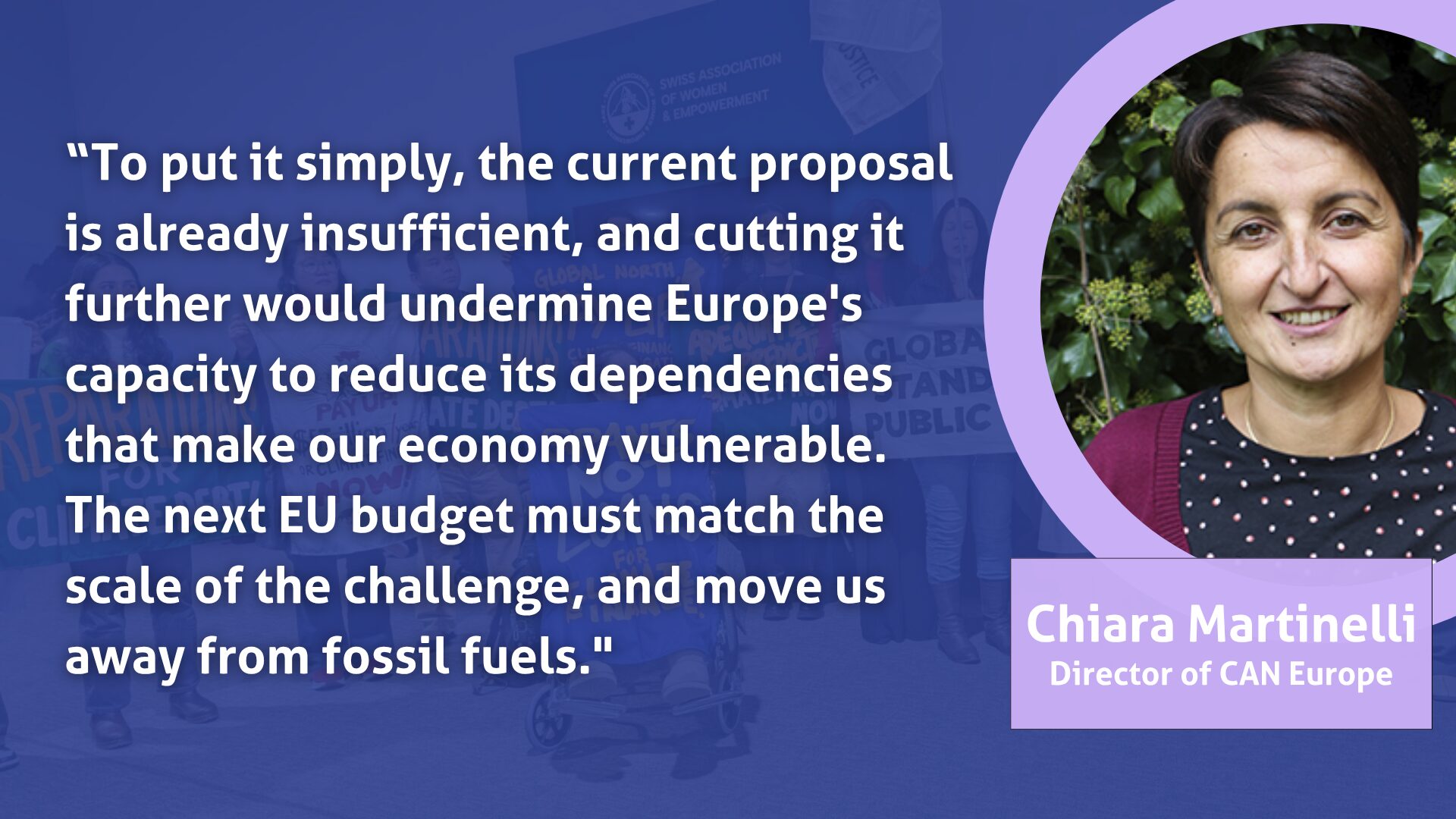
The EU budget 2021 – 2027 is critically important to deliver the long-term climate goals of the EU, including the revamped 2030 climate and energy targets and climate neutrality by 2040.
The 2014-2020 EU budget had some important climate-relevant features such as “climate mainstreaming”, the strategic link to the EU 2020 climate and energy framework or the political target to spend 20% of the EU budget on climate action. However, fossil fuels still received support from the EU budget, and competing priorities and incoherent implementation of climate action are sweeping off the climate credits of the EU budget. Overall its full potential to catalyse the clean energy transformation in Europe remained largely untapped.
LEARN MORE about the reform opportunities and climate impact of the EU budget.
The Recovery and Resilience Facility (RRF) entered into force in February 2021. It has financed reforms and investments in Member States from the start of the COVID-19 pandemic and will continue to do so until 2026. To finance a proportion of it, the European Commission, on behalf of the EU, borrowed for the very first time on capital markets. This facility enables Member States, in particular those with limited fiscal space, to finance additional investments, allowing them to recover from the pandemic-induced economic and social crisis and make their economies and societies more resilient.
To benefit from the Facility, Member States had to submit national recovery and resilience plans to the European Commission. Each recovery plan sets out the reforms and investments that Member States commit to implement by the end of 2026, and Member States can receive financing up to a previously agreed allocation.
At least 37 per cent of the funds must be earmarked for climate action and be accompanied by reforms that will maximise the impact of these investments. None of the reforms or investments should harm the environment. The RRF therefore provides an important opportunity for EU Member States to accelerate necessary investments for the green transition. But are they really making full use of this money?
Links:
Add more resources from Olivier on repower EU
Reaching for a green recovery: what holds back progress in ten EU recovery and resilience plans, 2022
https://caneurope.org/content/uploads/2021/06/Recovery-and-Resilience-Plans-Assessment_June2021.pdf (2021)
https://caneurope.org/content/uploads/2021/01/CAN-Europpe-webinar-EU-recovery-package_June-2020.pdf (2020)
Fossil fuel combustion – coal, oil and gas – is by far the largest contributor to global climate change, accounting for 80 percent of greenhouse gas emissions globally. Fossil fuel subsidies have infiltrated all sectors of our economy and are now pervasive, multiform and massive. These subsidies directly hinder the efforts to transition to 100% renewable energy.In the EU, the overwhelming majority of fossil fuel subsidies are at national-level, but recently adopted EU legislation opens the door again to fossil fuel subsidies for oil and gas infrastructure that would lock us in fossil fuels for many years, while gas boilers remain eligible for support in several EU funds.
Whether they relate to production or consumption, fossil fuel subsidies are damaging people and the planet, in many cases benefit most the wealthiest, they are preventing the energy transition towards renewable energy systems, damaging public health (air pollution) and hampering the achievement of emissions reductions goals.
CAN Europe urges to end subsidies benefiting the wealthiest without further delay, and to support people working in the sectors impacted in the transition. Job growth in new energy transition sectors, more than offsets a decline in traditional fossil fuel supply sectors. However, state schemes should ensure the working conditions do not deteriorate, collective bargaining should organise the transition to new jobs and the role of trade unions needs to be promoted and protected in the new green sectors.
According to CAN International, at global level, all fossil fuels need to be phased out by 2050 worldwide, shifting to 100 % renewable energy sources. For CAN Europe, Paris Agreement-compatible fossil fuel phase out in the EU means an end by 2030 for coal, 2035 for fossil gas, and 2040 for oil, at the latest.
The hidden cost of fossil fuels for the environment, climate and public health requires urgent action in many areas, from international finance to trade, fisheries, agriculture, transport, industry, taxation, budget, finances, state aid, housing, social protection, education and skilling, and energy and climate of course. Ending fossil fuel subsidies is everyone’s business in each and every national ministry and at EU level.
Main publications:
https://caneurope.org/content/uploads/2023/03/Fossil-Fuels-Subsidies-Report.pdf
Important investments are needed to decarbonise Europe’s economy and keep global temperature rise below 1.5°C . The EU economic governance framework was designed 30 years ago and is outdated to meet today’s societal challenges.
There is an urgent need to transform our economies and societies to address the climate, environmental and social justice challenges. The EU economic governance framework, and the Stability and Growth Pact in particular, need a deep reform in order to be aligned with the objectives of the European Green Deal and the Paris Agreement.
Read CAN Europe position on the need to reform the EU fiscal system
Other resources:
• 25/03/2024 Statement | Fiscal Follies: How new EU rules miss the mark on climate and prosperity
• 09/11/2023 Opinion Editorial | The imperative of reforming EU economic governance
• 16/06/2023 Report | FROM MAASTRICHT TO PARIS: Why climate change should be considered in a reformed EU fiscal framework
• 07/06/2023 Letter | Letter: A climate perspective on the European Commission’s proposals to reform the EU economic governance framework
• 01/08/2023 Opinion Editorial | Climate crisis calls for U-turn in EU’s economic governance EN / FR
• 15/03/2022 Statement | Manifesto for a green, just and democratic European economy
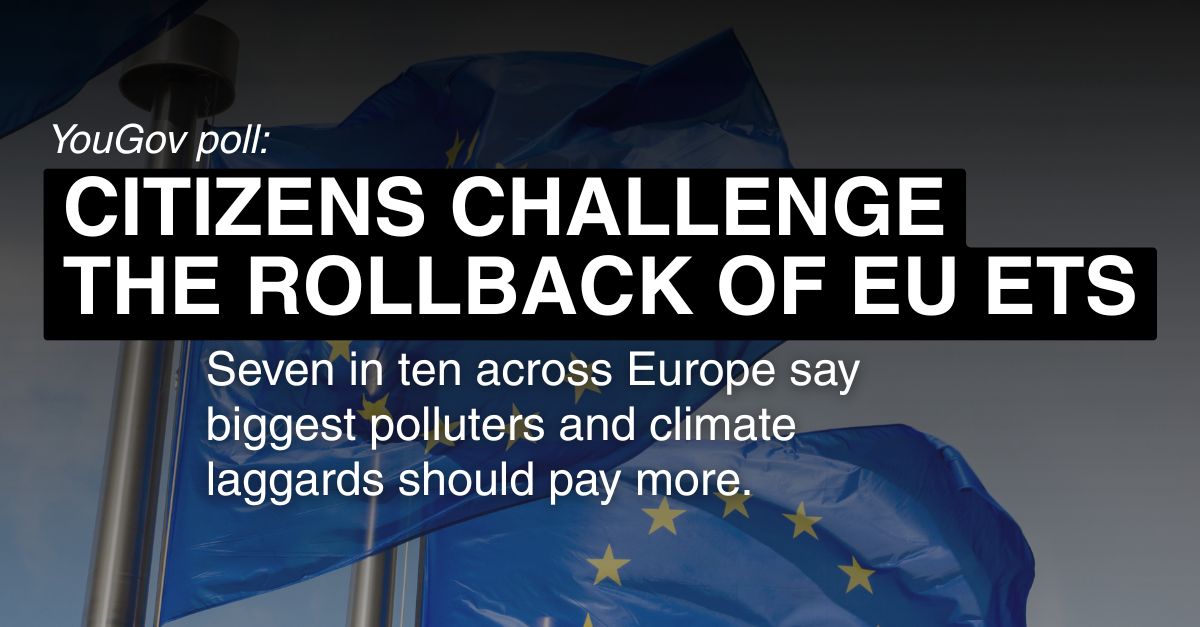
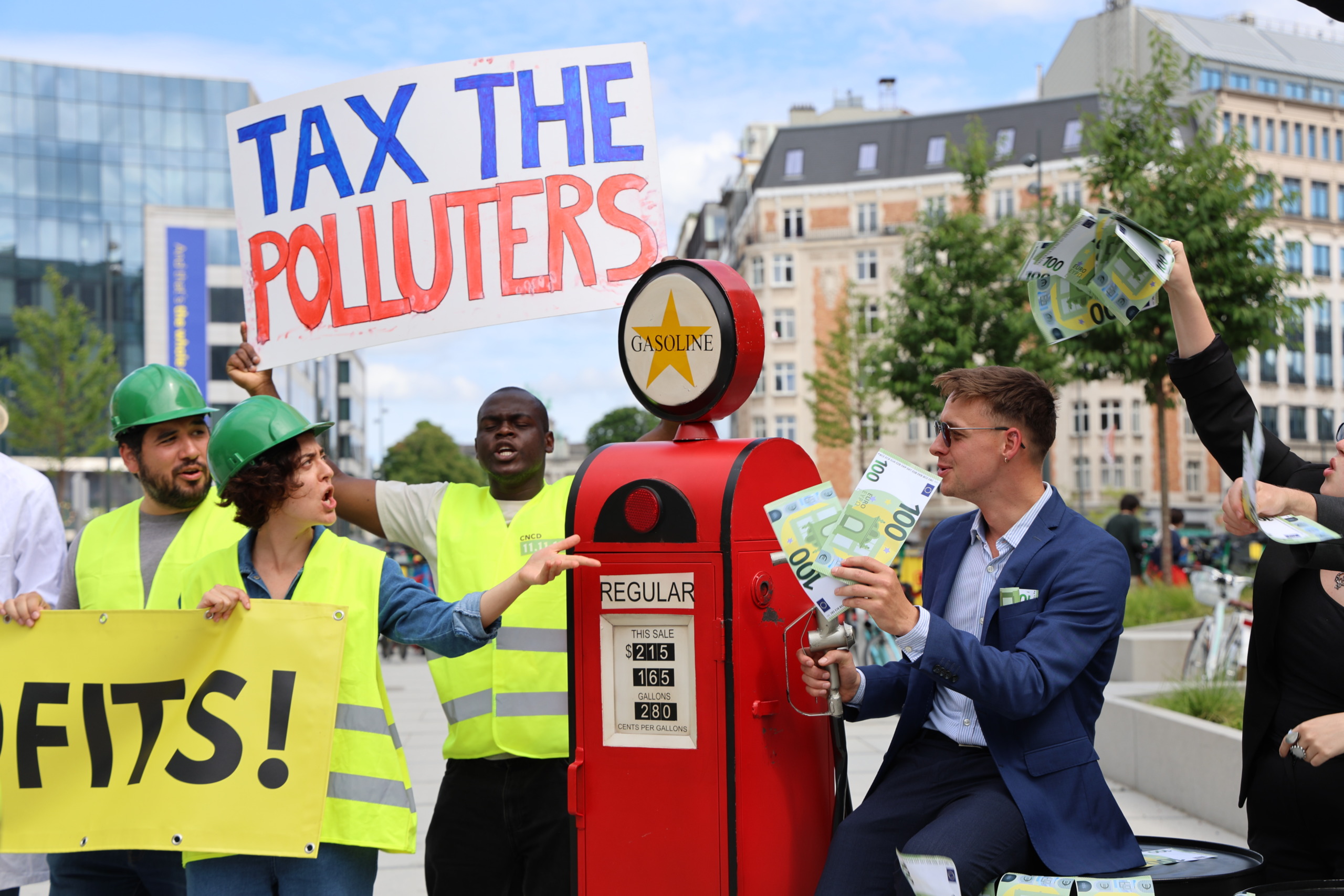
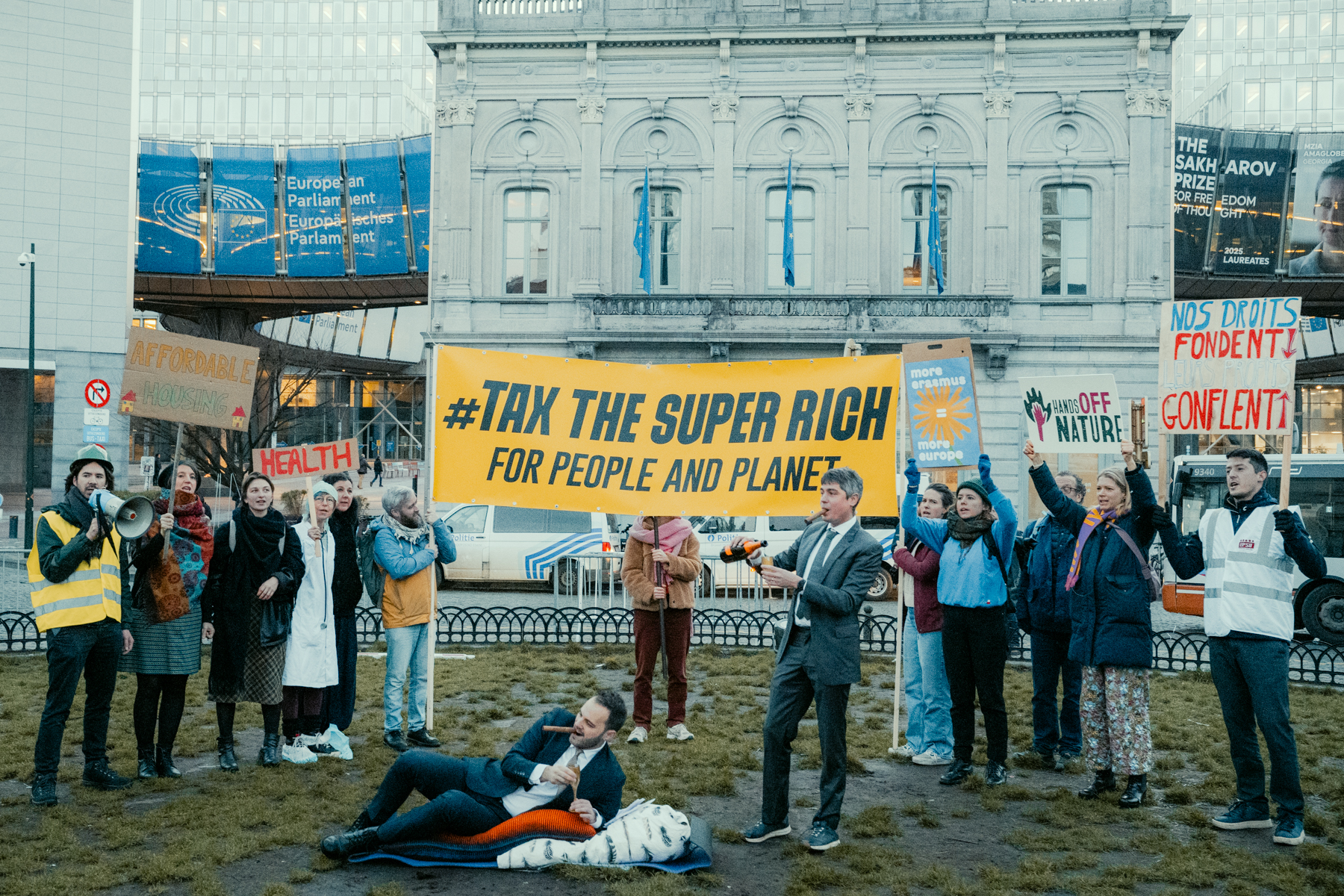
Ensuring that the EU and Member States have sufficient funds for filling the climate and nature investment gap will require a huge improvement in the quality of public spending (ending fossil fuel and other environmentally harmful subsidies), but also the raising of income. In particular, the EU will need new own resources (i.e. EU-wide revenues) in order, first to reimburse the EU debt that underpins the establishment of Next Generation EU (NGEU), and second to finance a new EU green and social investment plan post-2026.Beyond the finance dedicated to meeting the EU’s climate targets and financing the socio-ecological transformation, there are also significant gaps in meeting international climate finance commitments. New resources for Member States and/or the EU can be raised through a coordinated introduction of new national taxes or the direct introduction of EU-wide taxes. Whilst several proposals have been tabled both by the European Commission and the European Parliament, and should be further pursued, we consider that new own resources should be based on socially just progressive taxes and the polluter-pays principle.
Documents:
- CAN Europe position on Redistributive taxation
- CAN Europe position on a Tax on Extreme Wealth
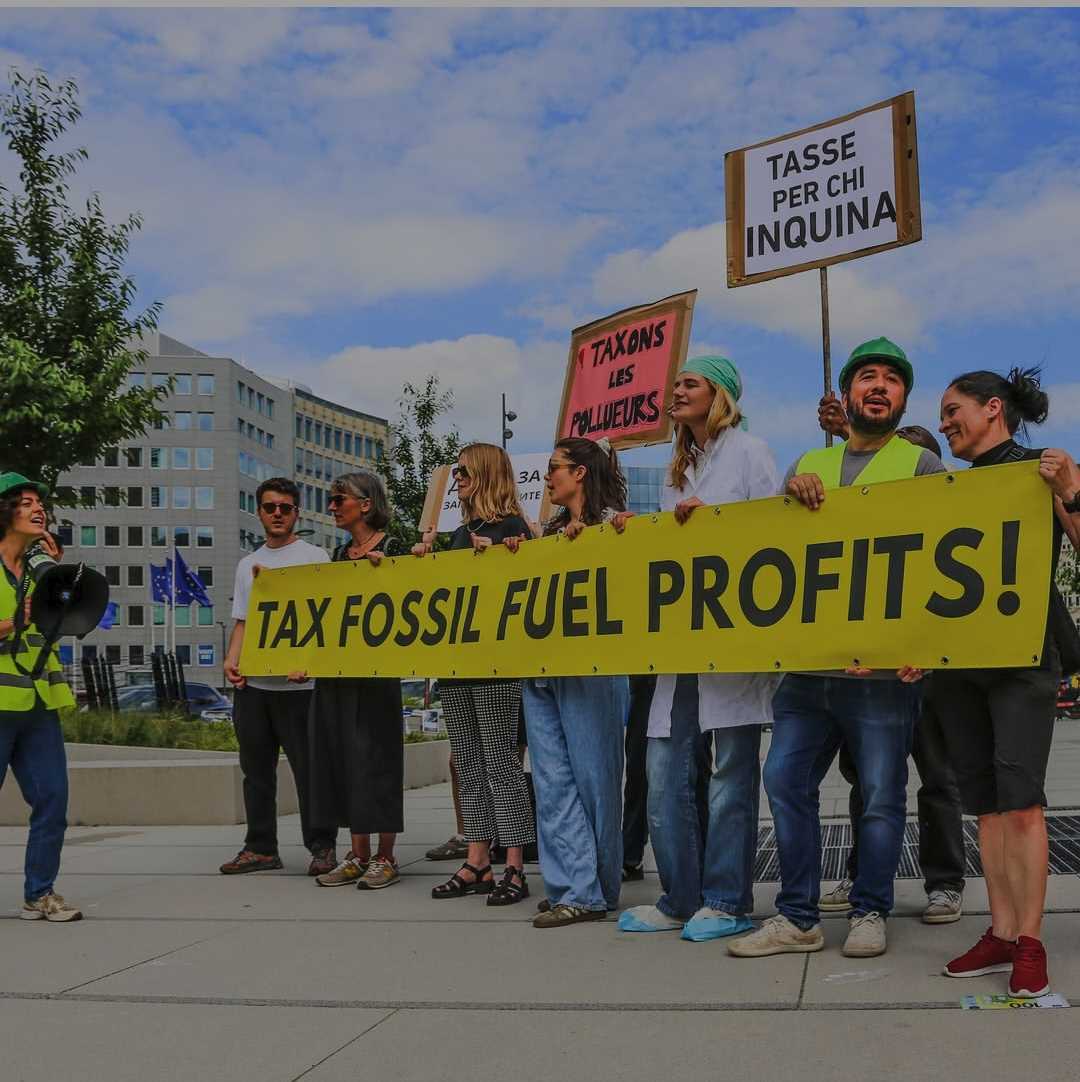
- CAN Europe position on a tax on the profits and ownership of the fossil fuel industry
- CAN Europe position on a financial transaction tax – in progress
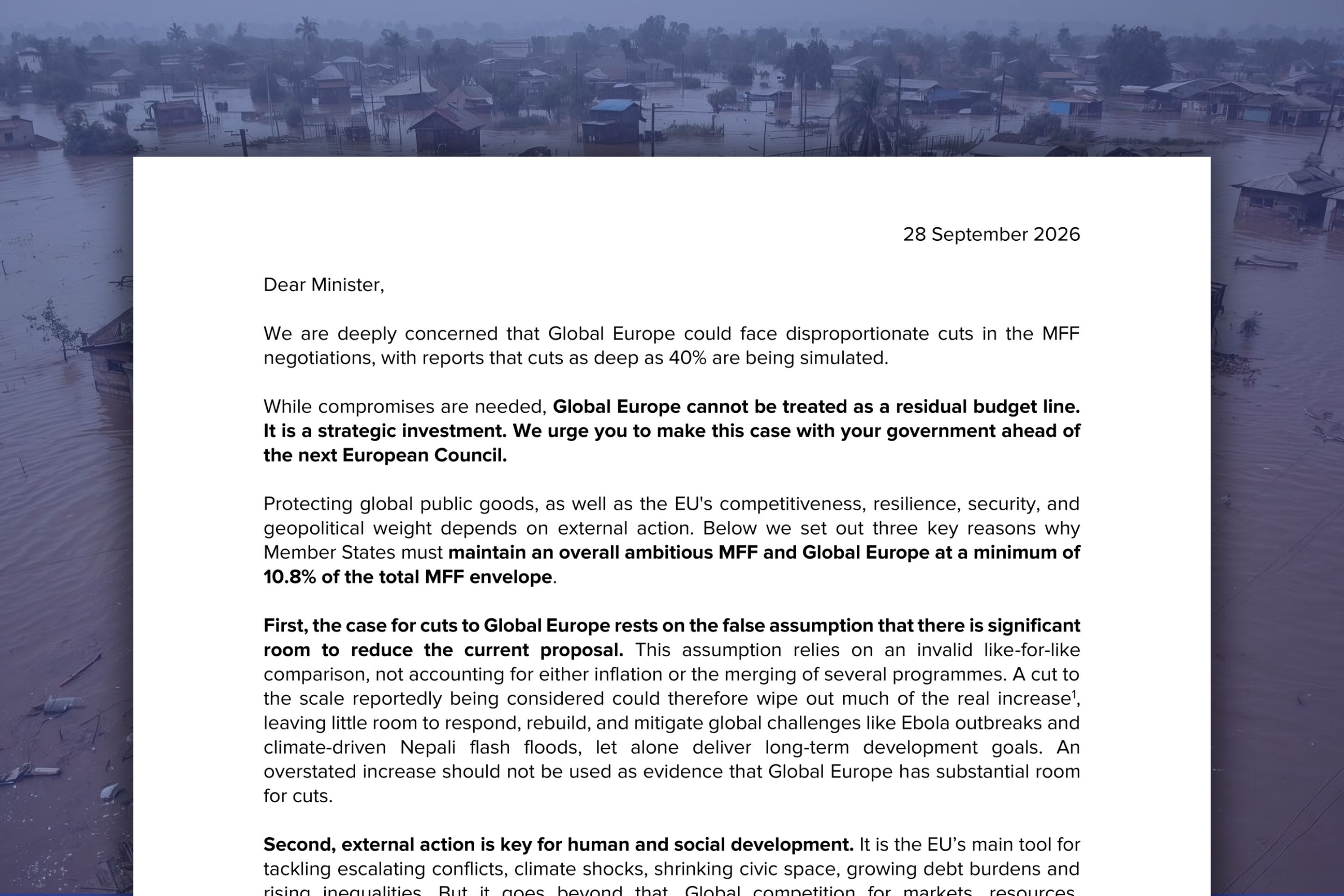
- Joint Letter to the Ministers of Economy and Finance on the Own Resources of the EU