Take action: Stop the climate-wrecking EU-Mercosur Trade Deal
Join our call and say no to this toxic trade deal.
Stop the backdoor implementation of the EU-Mercosur trade deal!
Provisional application now would silence citizens’ voices and undermine the very foundations of EU democracy. Decisions of this magnitude must not be imposed through procedural shortcuts and backroom tactics.
Email your representatives today and demand that the agreement is not applied provisionally.
Democracy cannot be treated as an obstacle to be sidestepped. Your message can help defend democracy, transparency, and accountability in EU trade policy.
Email the decision-makers now!
Step 1️⃣: Select your country in the tool below to email the key decision-maker on this deal.
Step 2️⃣: Fill in your details.
Step 3️⃣: We have a draft ready for you to send.
Step 4️⃣: Send!
Email the decision-makers now! ⬇️
Every message increases the pressure — and yours could make the difference!
Why is the EU-Mercosur deal a toxic deal for people and the planet?
- Signing the EU-Mercosur deal will only benefit the corporate agri-business sector, at the expense of family and small-scale farmers on both sides of the Atlantic. The deal will jeopardise our food sovereignty and spell a disaster for animal welfare. It will create unfair competition, dumping of products and a collapse of prices for European farmers, while also destroying the livelihoods of small-scale farmers and local communities in South American countries. Therefore, farmers have been some of the most vocal opponents of this free trade agreement. Across Belgium, Poland, France, Ireland, Spain and Bulgaria, farmers took to the streets, expressing their strong opposition to a trade deal between the EU and the Mercosur countries. Many of them are concerned about the impact that it would have on their livelihoods. And they are right. Small and medium-sized farms are the backbone of European agriculture but this deal pushes them even deeper into the struggle.The EU-Mercosur deal is a bad deal for public health. The European Consumer Organisation (BEUC) warns that the deal is likely to fail in safeguarding consumer interests. Worse, the deal comes just as the EU suspended imports from Brazilian beef over concerns it contains hormones the EU banned decades ago in livestock production.
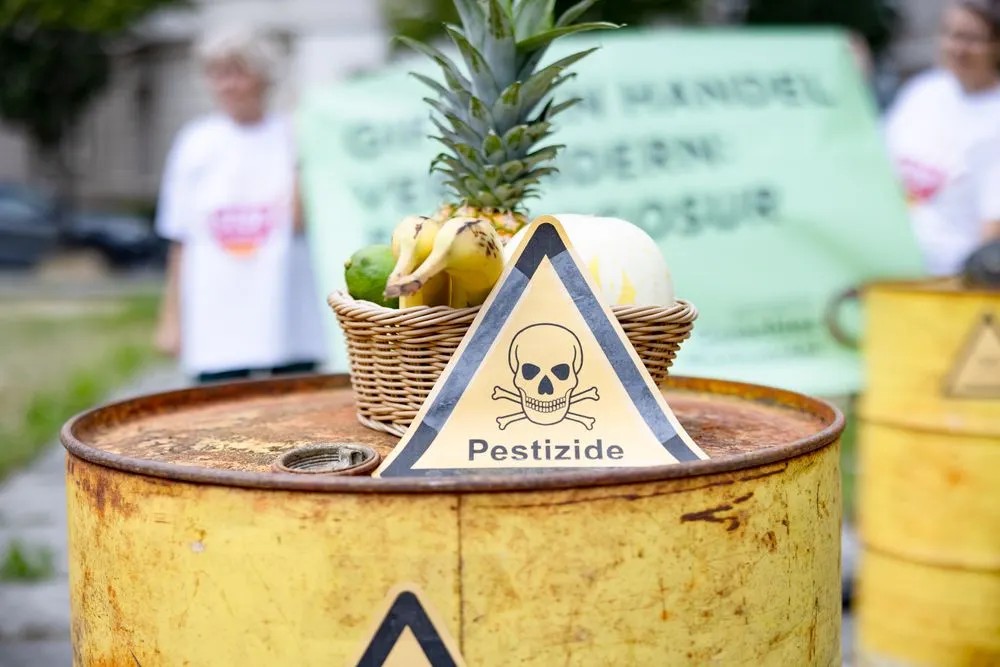
Toxic pesticides banned in Europe could end up on our plates again if this deal goes ahead.
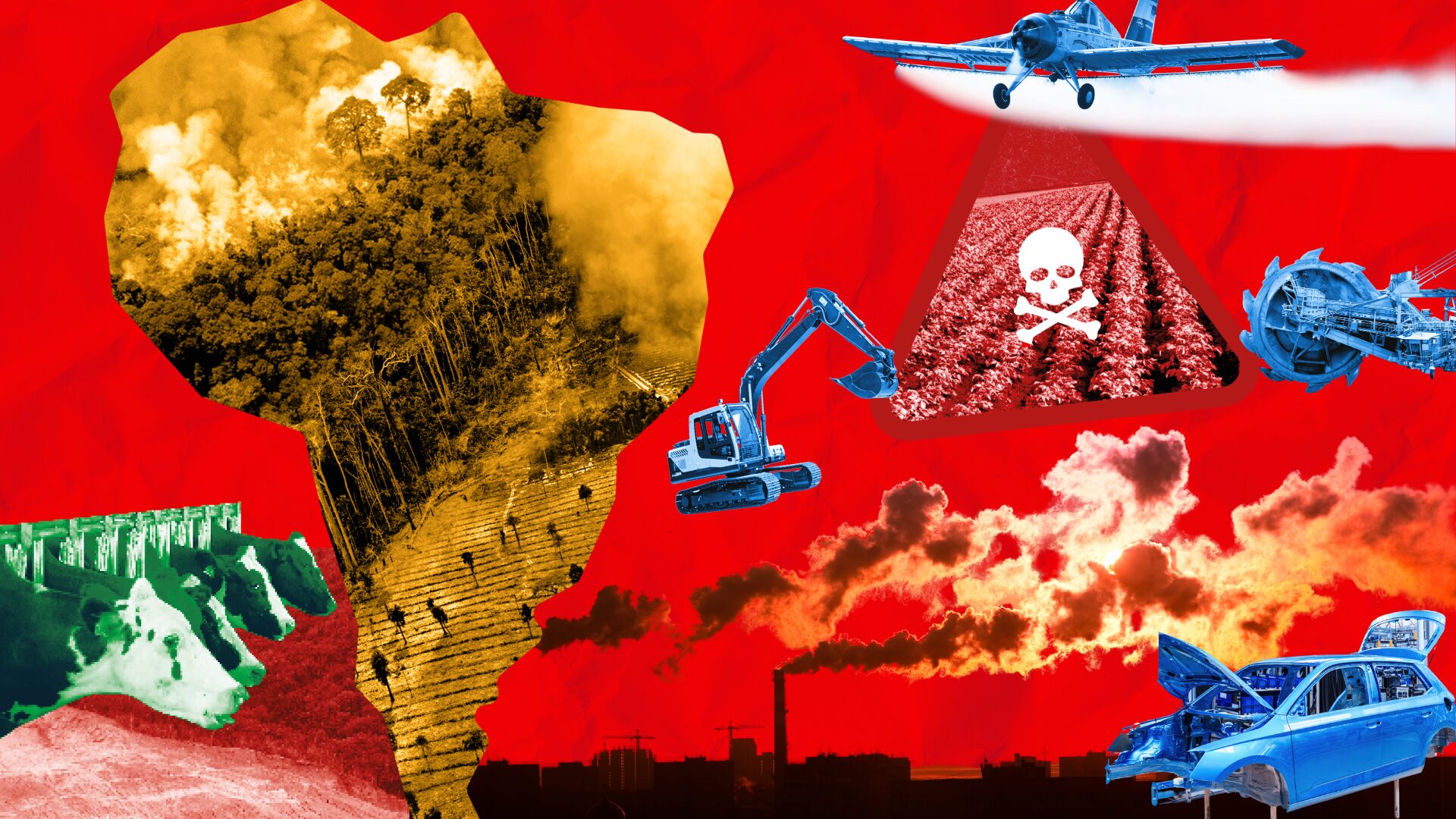
The EU-Mercosur trade deal would allow massive amounts of meat, soy and grains, fruit and vegetables from South America—where pesticides banned in Europe are still widely used—to more easily access our markets. This isn’t just a trade deal—it’s a backdoor for toxic chemicals to sneak onto our plates.
It’s a gift to Big Agribusiness, but a disaster for our health and Europe’s small-scale, local farmers. While family farmers are forced to follow strict environmental and health standards, corporate giants would be free to import cheap food containing banned pesticides. It’s unfair, unsafe, and therefore completely unacceptable.
Studies show that the deal poses severe economic risks, further deepening inequality and hindering sustainable development. Impact studies show that the overall GDP increase from the deal is negligible. This stands in stark contrast with the economy-wide effects this deal will have on the planet and people, in particular indigenous communities, small-scale farmers and workers.
The deal would force the EU to contribute to rising global emissions due to the increased trade in emission-intensive goods. Climate impacts, like floods, heatwaves and droughts, are intensifying and already impose immense economic costs on the EU and the rest of the world. Last year was the hottest year on the planet on record. For the first time ever, temperatures exceeded the 1.5°C threshold above pre-industrial levels!
In times of climate crisis, we need a deep socio-ecological transformation of our economies, not toxic trade deals that lock in incentives to continue business as usual.
The deal pushes South America further into ecological collapse and props up a destructive neo-colonial economic system that drives social inequalities. This deal directly threatens workers’ rights and the collective rights of Indigenous and rural communities in South America, who already bear a disproportionate burden of the climate crisis and, outrageously, were never consulted about the deal.Brazil’s largest umbrella Indigenous organisation, the Articulation of Indigenous Peoples of Brazil (APIB), has publicly opposed this deal on the grounds that it would threaten their lands. Research has found that Indigenous territories will face increased deforestation pressure because of this deal.
Moreover, the deal fails to provide adequate protection for the rights of Indigenous Peoples and Local Communities against the adverse impacts of agribusiness expansion and land grabbing.
Instead of enhancing the protection for Indigenous People and local communities, the provisions of the deal weaken the wording “free, prior and informed consent” (recognised by the UN as an essential guarantee of Indigenous People’s rights over the land they live on) to “prior informed consent”. That they don’t even use the established human rights norm in this provision is more evidence that the rights of Indigenous Peoples were not a high priority in the trade deal.