Written by Esther Bollendorff, Senior Gas Policy Coordinator at Climate Action Network (CAN) Europe, Nikos Charalambides, Executive Director of Greenpeace Greece and Theodota Nantsou, Head of Policy and WWF Greece
Fossil fuels drive conflicts and instability
An economic order based on fossil fuels is a fragile one, and dependence on Liquified “Natural” Gas (LNG) only deepens instability in a world already marred by gaping inequalities, conflict and environmental degradation.
Amidst devastating human losses, the war in Iran and ongoing conflicts in the region show that there can be no lasting peace in an economy driven by fossil fuels, and Europe’s bet on fossil energy – wherever it comes from – only deepens its exposure to energy weaponisation.
The ongoing crisis has triggered the sharpest disruption in energy markets since 2022, driving up costs for households and industries. In the first ten days of the conflict, the EU paid an additional €2.5bn for fossil fuel imports. As one of the world’s most fossil-dependent economies, the bloc is letting geopolitical shocks dictate its energy supply. This must change.
This week, major fossil fuel world players gather in Houston for the CERAWeek. EU and US officials meet with CEOs of some of the largest climate polluting companies. This must be a moment to tackle Europe’s energy vulnerabilities, not reinforce them.
LNG, a dangerous choice
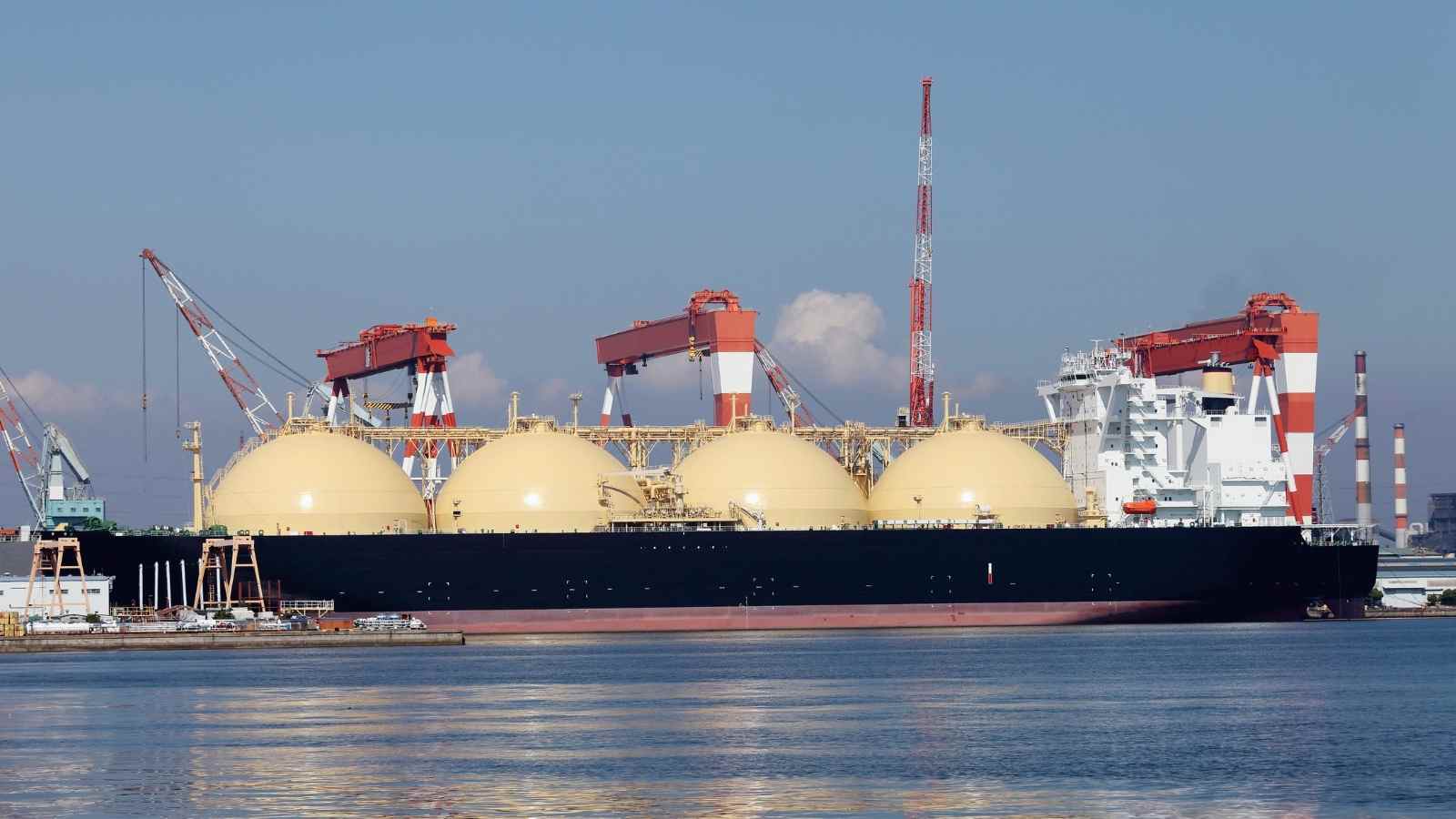
Europe appeared to learn the danger of relying on external energy suppliers when it agreed to end Russian gas imports by 2027. Yet new dependencies are emerging. Imports of US LNG have skyrocketed over the past four years, now accounting for more than 59 % of EU LNG imports. If the EU goes ahead with agreed US LNG supply deals and doesn’t manage to cut gas demand, up to 80 % of EU LNG could come from the US by 2030. This is a risky economic and strategic choice.
US gas is the most expensive LNG for European buyers. It is highly methane-intensive due to its extraction through fracking, which is linked to health harms, environmental racism and human rights violations in producing regions, while fossil fuel companies pocket huge profits.
With the closure of the Strait of Hormuz, major US LNG operators are moving to expand capacity, taking advantage of increased demand and higher gas prices. US LNG exporters and traders are set to earn about $870 million a week in extra gains compared with pre-crisis levels, and these numbers are still rising.
As part of its energy dominance strategy, the Trump administration is backing the soaring expansion of the fossil fuels industry by dismantling national energy and environmental protections and pushing to weaken EU rules on corporate sustainability standards and methane. The aim is to secure easier access to the European energy market, locking the region into fossil fuel dependence.
The gas corridor Europe doesn’t need
Central to this plan is the Vertical Gas Corridor, a pipeline network that would link Greek LNG terminals to Bulgaria, Romania, Moldova and Ukraine, intended to deliver 5 to 10 billion cubic metres of US and Caspian gas each year to replace Russian supplies. The project is already moving forward, with the Atlantic SEE LNG joint venture signing a 20 year dealwith Venture Global to supply Central and Eastern Europe with US fracked gas.
Yet the first auctions revealed no market interest. High costs, regulatory uncertainty, cheaper alternatives and unpredictability of long-term gas contracts cast serious doubts on the project’s viability.
Despite this, the Greek government backs the plan, promoting a rapid expansion of LNG infrastructure, while at the same time offering petroleum companies favourable contracts to drill in the pristine Hellenic Trench. These commitments rely not on free market rules but on generous state aid, diverting public resources away from investments in renewables, energy efficiency, and other measures that support a just transition.
New gas infrastructures also face severe stranded asset risks. EU gas demand fell by 17% during the last energy crisis, when Member States adopted successful demand reduction measures. Fossil gas consumption will continue to fall under the EU’s 2040 climate targets, while renewables expand further.
Meanwhile, at the “Transatlantic Gas Security Summit” of last February the leaders of 12 Eastern European Countries signed a US-backed joint commitment to boosting LNG imports. The statement calls for eliminating “regulations that hinder gas imports”, raising concerns about potential rollbacks of EU environmental rules, including the EU Methane Regulation, a fundamental pillar of environmental integrity and transparent governance of the LNG market.
There’s a way out
The high costs of dependence make it clear: there is no place for fossil fuels in Europe, and the EU cannot wait for crises to take action.
A structural, permanent cut in gas demand is needed and must be paired with a phase-out of US LNG on the way to a full fossil gas phase-out by 2035.
True independence requires an efficient, renewable and electrified energy system. The only way for Europe to achieve security and affordability is by accelerating the energy transition.
This article was first published on LinkedIn.