We use cookies

Please note that on our website we use cookies to enhance your experience, and for analytics purposes. To learn more about our cookies, please read our Privacy policy. By clicking “Accept Cookies” or by continuing to use our website you agree to our use of cookies.

Heatwaves in Europe, their multiple impacts and the role of fossil fuel exit plan and fossil fuel profits taxation

Letters & Statements

Fossil Fuel Industry Profits, Europe Burns

Extreme heat is no longer exceptional; it is becoming a defining feature of climate change. The extraction and burning of coal, oil and gas account for the vast majority of global greenhouse gas emissions, driving rising temperatures and worsening heatwaves and other climate impacts. Heatwaves are deadly and deepen existing inequalities. Disproportionately affecting the global south and vulnerable regions across the globe, leading to droughts and deforestation, impacting agricultural output and food supplies. These same impacts are now becoming more frequent in Europe, the world’s fastest warming continent.


Without stronger climate action and adaptation measures, negative impacts on health, livelihoods, and economies will continue to grow. As stressed by the World Health Organisation, “This heatwave is a dress rehearsal. The summers ahead will be harder. More than half of European Region countries still do not have a comprehensive heat–health action plan in place.


We urgently need to adapt and reduce emissions by addressing the root cause – fossil fuels. Europe urgently needs a fossil fuel exit and make polluters pay for the climate damages and the adaptation measures that are needed to protect people from the unfolding climate crisis.

Note to EU Policymakers

Inaction is extremely costly.

In 2025 alone, heatwaves, droughts and floods caused estimated losses of 43 billion euros in Europe. We urgently need both adaptation and emissions reduction. It is key to strengthen the resilience of cities, villages, and rural areas through adaptation measures with equity at the core, including climate-resilient infrastructure and early warning systems. The EU also needs to drastically cut its domestic greenhouse gas emissions and to support the decarbonisation of Global South countries.

Fossil fuels are the main driver of climate impacts
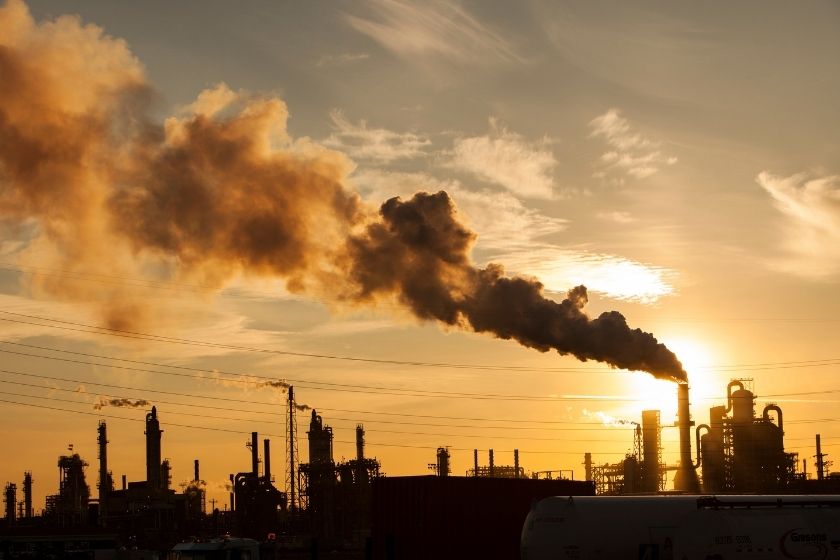
Rapidly phasing out fossil fuels and accelerating the transition to renewable energy is therefore essential to protect people, ecosystems and economies. The Commission should announce as soon as possible a Fossil Fuel Exit Roadmap to end our structural dependence on fossil fuels. Transitions to resource-efficient and sustainable consumption and production also have a crucial role to play.

The biggest polluters must pay their fair share.
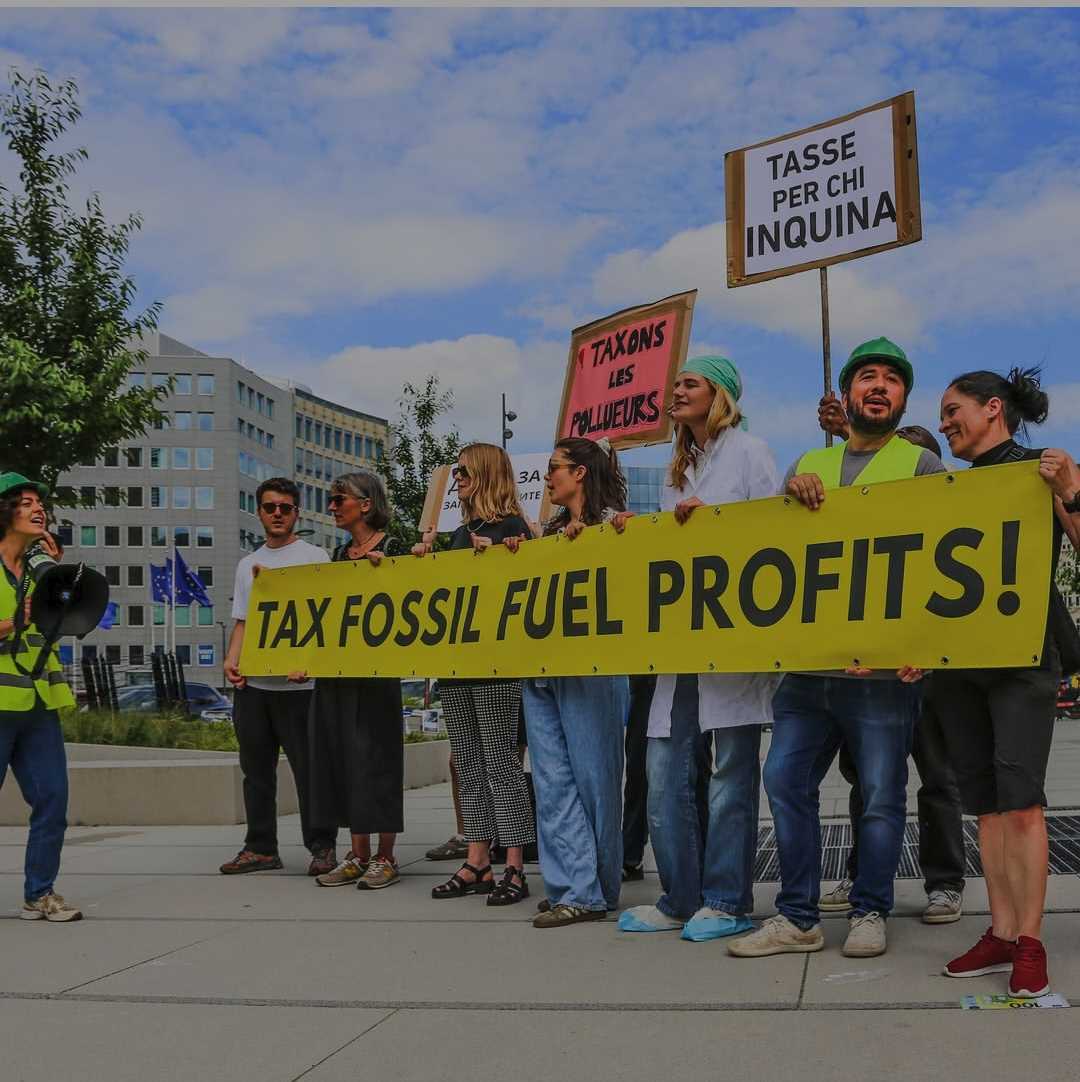
The fossil fuel industry is making record profits. Six leading European oil majors’ (Shell, bp, Repsol, TotalEnergies, Eni and Equinor) made a combined $22 billion in the first quarter of 2026 – the highest quarterly profits since 2022. The combined Q1 2026 profits of these six oil majors is 43% higher than the same period in 2025, reflecting a significant windfall from the war on Iran. According to Global Witness, the climate damages cost of emissions from EU-headquartered oil companies’ production reached €1.5 trillion since the Paris Agreement. And this year’s heatwaves are adding to this bill.
The EU should therefore introduce a differentiated corporate tax framework for fossil fuel companies.
Building on the experience of the 2022 EU solidarity contribution. It is crucial to move beyond one-off or temporary measures towards a more stable and predictable fiscal approach. An EU Regulation would ideally be needed to ensure the coordinated introduction of such a tax in all Member States. This would reduce the scope for aggressive tax planning and tax avoidance (profit shifting) within the EU. To avoid profit shifting and tax abuses, there should be an obligation on fossil fuel companies to report their taxes on a public country-by-country reporting basis. The threshold for fossil fuel companies to report on their tax payments should be lower than the current €750 million consolidated group revenue, and made public to all jurisdictions (as opposed to only EU jurisdictions and named harmful tax jurisdictions under the EU country-by-country reporting Directive).


Revenues from fossil fuel profit taxes should be used to finance equitable and inclusive adaptation measures, targeted consumer protection measures, renewable energy deployment and energy efficiency improvements, and for international climate finance. Such a tax would also send a structural signal to investors, discouraging continued investment in fossil fuel activities while allowing space for incentives that support genuine investments in renewable energy and related storage capacity.