
Foreword from Cornelia Maarfield, Head of Energy at CAN Europe
This week, two years ago, the European Commission published its landmark RePowerEU package on 18th May 2021, in response to Russia’s war on Ukraine, which is still raging. Our timeline below takes a look back at the major energy milestones of the last two years and how they have changed Europe’s energy landscape.
Let’s start with the positives. RePowerEU recognised for the first time that our dependence on fossil fuels is a security risk and poverty trap that needs to be overcome by deploying renewable energy and reducing energy consumption. The framework conditions for renewable energy deployment were improved and a target set to see 42.5%, and aiming for 45%, of the EU’s final energy demand in 2030 covered by renewables. Lasting success in this area will now depend on whether Member States will ensure a robust and ambitious implementation in harmony with nature, engaging and sharing benefits with citizens and local communities and ensuring sufficient investments in grids and storage to build a flexible and people-centred, fully renewable energy system by 2040.
On energy savings, the EU and Member States are sadly missing the plot completely, still pretending that we can replace practically all the fossil energy we currently use with other sources, while the EU introduced only short term emergency savings measures. A meagre reduction of 11.7% in final and primary energy consumption by 2030 compared to the 2020 EU reference scenario was agreed after long debates. Our Paris Agreement-compatible energy scenario (PAC) shows that much more ambitious energy demand reduction is possible and would generate co-benefits worth 1 trillion Euro. In particular in the buildings sector, energy saving measures would create local jobs, significantly lower energy bills for those currently living in leaky buildings and also improve their health. Much more ambition and action is required by the new EU institutions to reap the untapped benefits of energy savings across sectors.
Instead of looking to speed up the phase-out of fossil gas, EU policymakers resorted to diversifying supply through increasing LNG imports and looking towards other continents for a new gas supply. Giving this lifeline to fossil gas fails to address the trilemma of energy insecurity, rising energy poverty levels and the looming climate crisis. To effectively address these challenges, CAN Europe’s 10-point plan sets out key demands for the next Commission to tackle the vital issue of fossil gas phase out.
One cross-cutting priority will be the question of financing the energy transition. Even for implementing the policy measures that have already been agreed, the investment gap is massive. Apart from mobilising more private finance, the EU needs new own financial resources to help stem this challenge. Such investments would see a huge return for the economy, society and nature. Failure could cost our future, so we cannot afford it.
So, while the RePowerEU package had some positive elements, overall the opportunity to lower energy bills and combat energy poverty and the climate crisis, helping to make a safer future for Europeans, was largely missed. We urge the new EU institutions to pick up here, continue the European Green Deal but with a much stronger social component.
 13th May 2024
European Commission’s Guidance on designating renewables acceleration areas
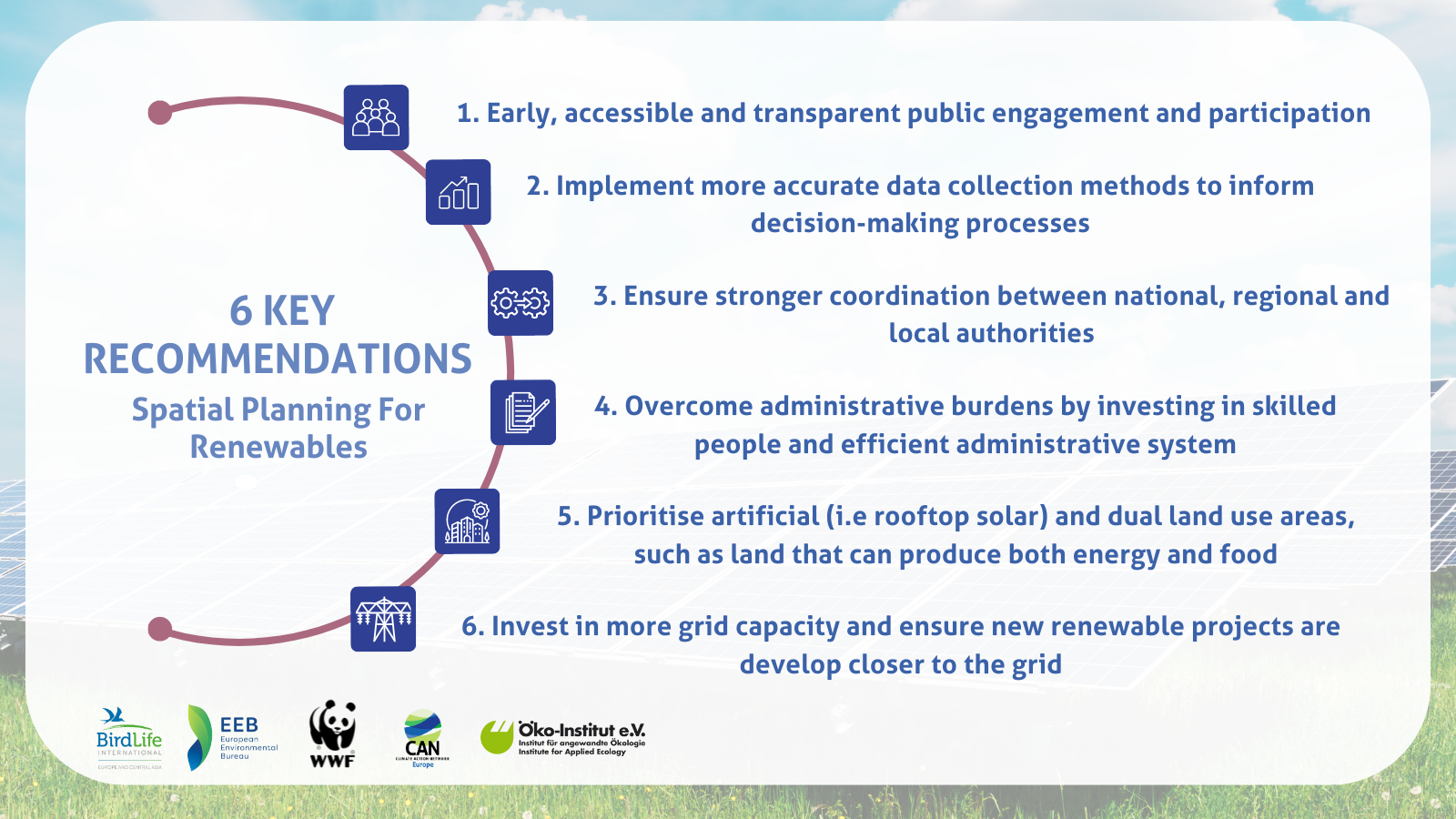
In line with the publication of the European Commission’s Guidance on designating renewables acceleration areas, the Oeko Institute, CAN Europe, WWF EU, Birdlife Europe and the European Environmental Bureau published their joint analysis and recommendations regarding the renewable energy spatial planning and designation of Renewable Acceleration Areas (RAAs). These analysis and recommendations emphasise the need for early public participation in spatial planning processes, prioritising artificial and dual land use areas for renewable energy development, addressing country-specific shortcomings and promoting coordination between national, regional and local spatial planning frameworks. “While we welcome the European Commission’s guidance, we stress the importance of upholding the highest environmental and social standards when identifying suitable areas for renewables deployment and designating acceleration areas, as mandated by the revised Renewable Energy Directive. It is essential that speed does not compromise thorough environmental assessments and meaningful public participation. Balancing speed with quality can further build public support for renewable energy and assist in nature restoration efforts, truly creating a win-win scenario for all. – Seda Orhan, Renewable Energy Programme Manager at Climate Action Network (CAN) Europe.Full Report 13th May 2024 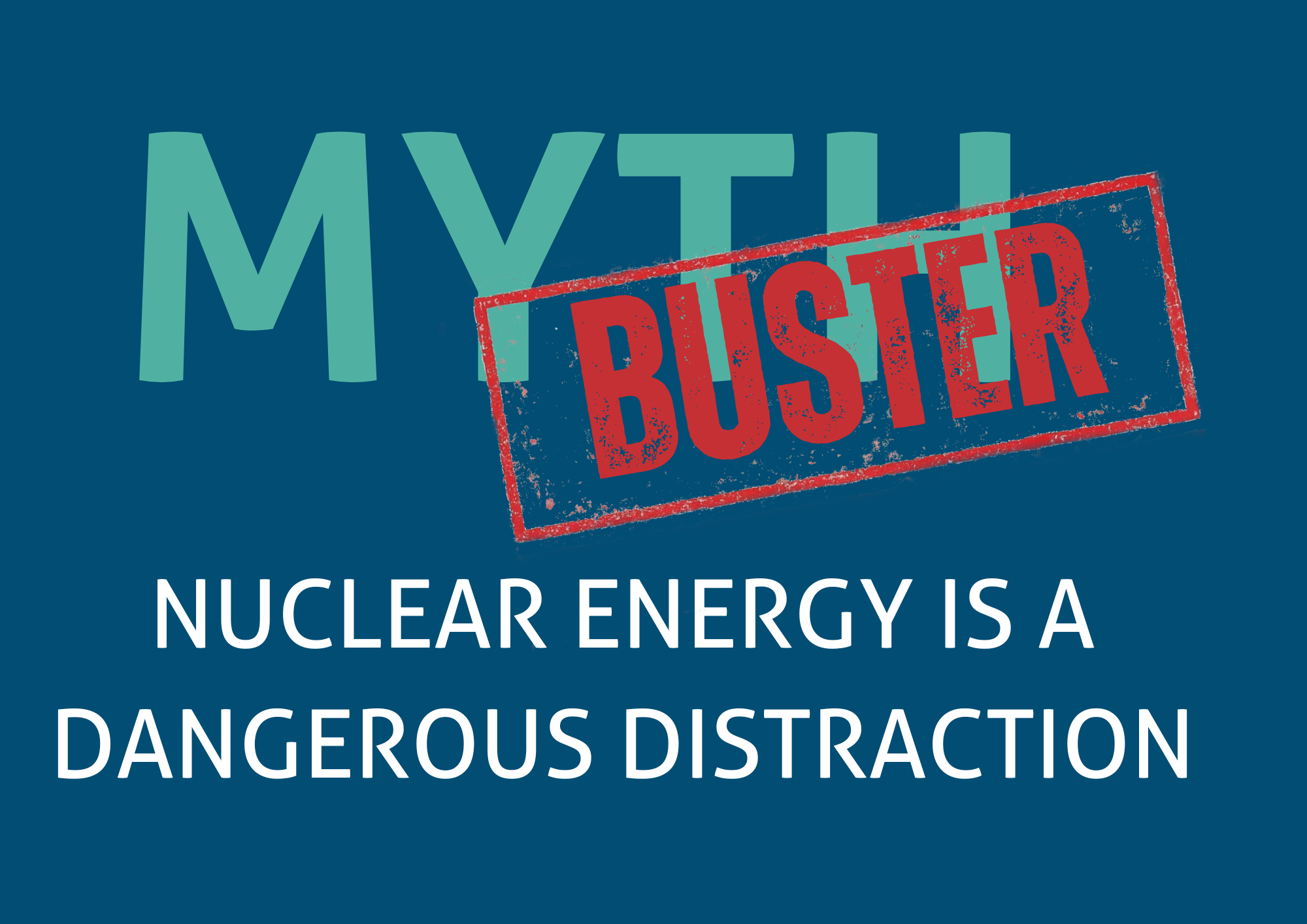 21st March 2024
First Nuclear Energy Summit
Ahead of the Nuclear Energy Summit in Brussels, CAN Europe released a myth buster to highlight how nuclear energy is a dangerous distraction from the transition to a fully renewables-based energy system and threatens to delay the urgently needed phase out of fossil fuels. New nuclear energy in Europe is too slow, and too expensive to meaningfully contribute to the decarbonisation of the energy system by 2040. This pathway is a distraction which only delays fossil fuel phase-out and renewables uptake. “We see the renaissance of nuclear energy with growing concern. The cheapest, fastest and only feasible replacement for fossil fuels are renewables. While the accelerated deployment of wind and solar has already delivered significant emissions reductions and lowered energy bills, nuclear power is a dangerous distraction. We urge policymakers to keep all efforts on delivering a fully renewables-based energy system,“ – Thomas Lewis, CAN Europe’s nuclear energy expert.Myth Buster 21st March 2024
 14th December 2023
Final Electricity Market Design Trilogue
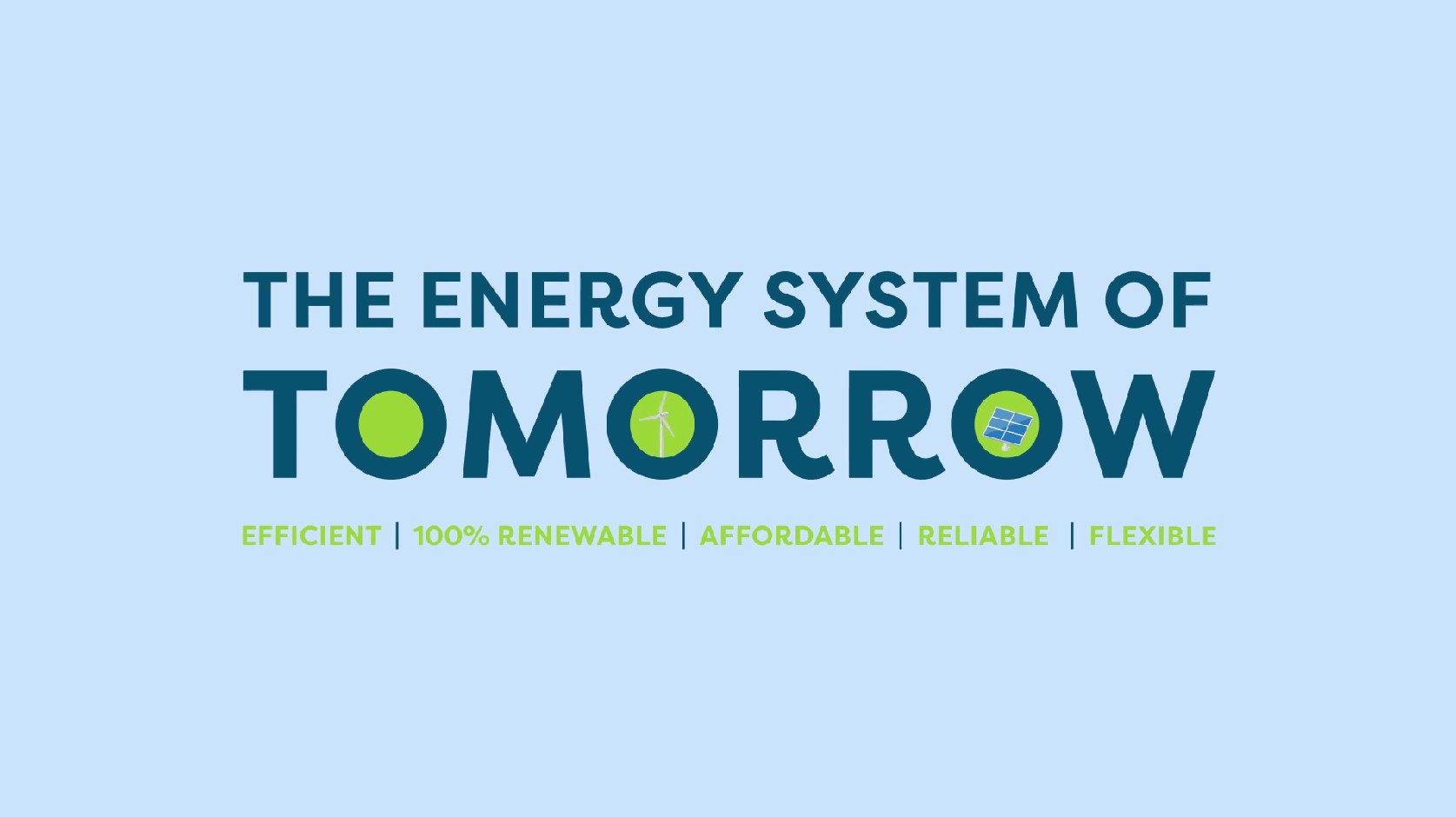
The energy system of tomorrow is primarily electrified, digital and flexible, harnessing 100% renewable energy. Households will play a vital role in this system as a source of demand side flexibility by shifting how and when they use electricity thanks to digital technologies, storage, incentives, accessible energy services and tariffs. This shift can reduce household energy costs, enhance energy security and resilience. However, the reform of the Electricity Market Design (EMD) came to a controversial ending. The EU agreed to support old, polluting coal-fired power plants and gamble on nuclear, risking further delay for Europe’s energy transition.
“Supporting old, polluting coal-fired power plants and gambling on nuclear not only risks further delay for Europe’s energy transition, but sets the bar very low for other countries when it comes to phasing out fossil fuels. We need all policies to be aligned with tackling the climate crisis and put an end to harmful fossil fuel subsidies” – Marta Anczewska, Energy System Policy Expert at CAN Europe Full Reaction 14th December 2023
 6th December 2023
Agreement reached on EPBD Trilogue
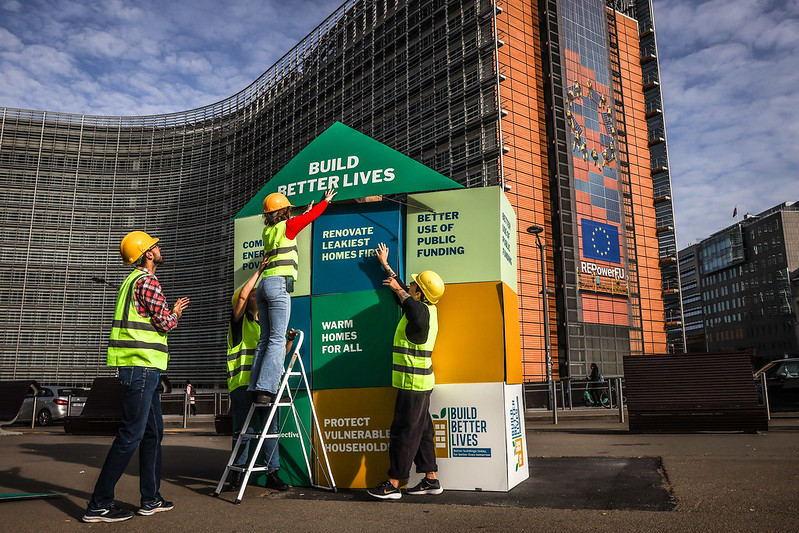
A promising first proposal towards more ambitious and just legislation to decarbonise Europe’s largely inefficient building stock was continuously watered down by policy makers, who perhaps listened to the ill-advised and self-serving claims of the fossil-fuel industry and other interest groups. Ultimately, policy-makers fell short in realising the full potential of an ambitious framework for households across Europe. At least though a new foundation, albeit imperfect, has been laid for those member states keen to ensure its strong and fair implementation. “The final agreement on the Directive missed a significant opportunity to lift millions out of energy poverty and cut our dependence on fossil fuels. A menacing campaign by the fossil fuel industry and right-wing populists ensured the Directive was continuously watered down, meaning in the end, Member States will be required to take little to no additional effort to ensure renovation rates pick up. The date for a phase out of fossil fuel use in heating and cooling remains indicative and comes years too late for the EU to reach its climate and energy goals. This EU framework is disappointing but it is in the hands of Member States now to ensure vulnerable households are not left trapped in leaky buildings.” – Eva Brardinelli, EU Buildings Expert At CAN Europe.Full Reaction 6th December 2023
 29th November 2023
Agreement reached on Gas Package Trilogue
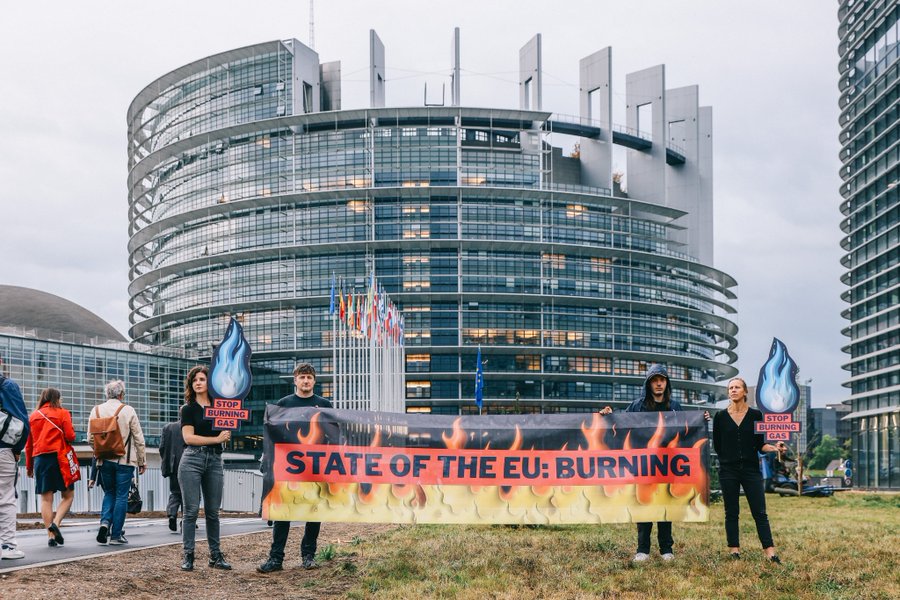
The outcome from the revision of the gas package failed to include a clear framework and trajectory for fossil gas phase-out across all sectors of the economy including the power sector, industry and buildings. To achieve climate neutrality by 2040, fossil gas must be phased out by 2035. In addition, the Gas Package failed to integrate the most effective measure from the emergency package “Save gas for a safer winter”, the 15% gas demand reduction, within the text of the directive, to make it permanent and anchor the revision of the gas market to the new energy landscape after REPowerEU. The diversification of Russian gas supply measures were however added in the Regulation (the text allows Member States to have the possibility to temporarily restrict gas supplies, including LNG, from Russia and Belarus). “Globally speaking, this package is a missed opportunity to phase out gas and set clear gas demand reduction pathways. With the weakening of the unbundling rules, the keys to the development of hydrogen networks on distribution system level have been handed to the gas industry, at the risk of pushing hydrogen into heating homes and making consumers pay for future unused or overexpanded infrastructures. Failing to agree on an independent hydrogen operator, reflects the same conflict of interest and big influence of the gas industry over policy makers. Our call is clear, negotiators must not allow the gas industry to take on the planning of future hydrogen networks.” – Esther Bollendorff, Senior Gas Policy Expert at CAN Europe.Full Reaction 29th November 2023
 28th November 2023
EU Grids Action Plan Launched
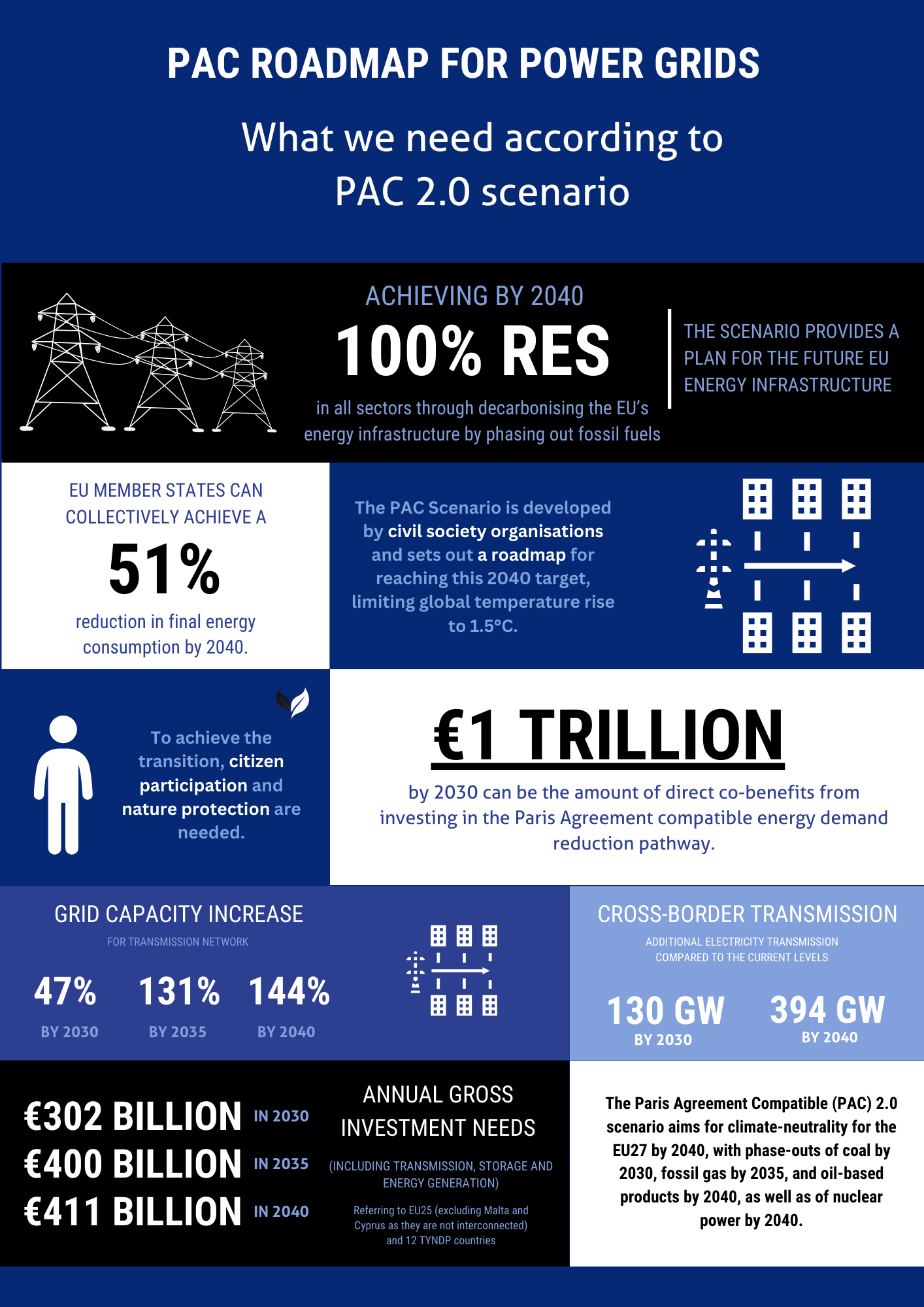
Europe’s power grids are already at peak congestion levels and are becoming a major bottleneck when it comes to the deployment of renewable energy. But issues exist beyond the lack of capacity within Europe’s grid networks. There is a need to strike a balance between upgrading present electricity infrastructure, by making it smarter, digital, more efficient, and flexible, and building new infrastructure, so as to facilitate the energy transition.In anticipation for the launch of the EU Grids Action Plan, CAN Europe put forward 5 key recommendations. Powering Europe’s Tomorrow 28th November 2023
 15th November 2023
Final Methane Trilogue
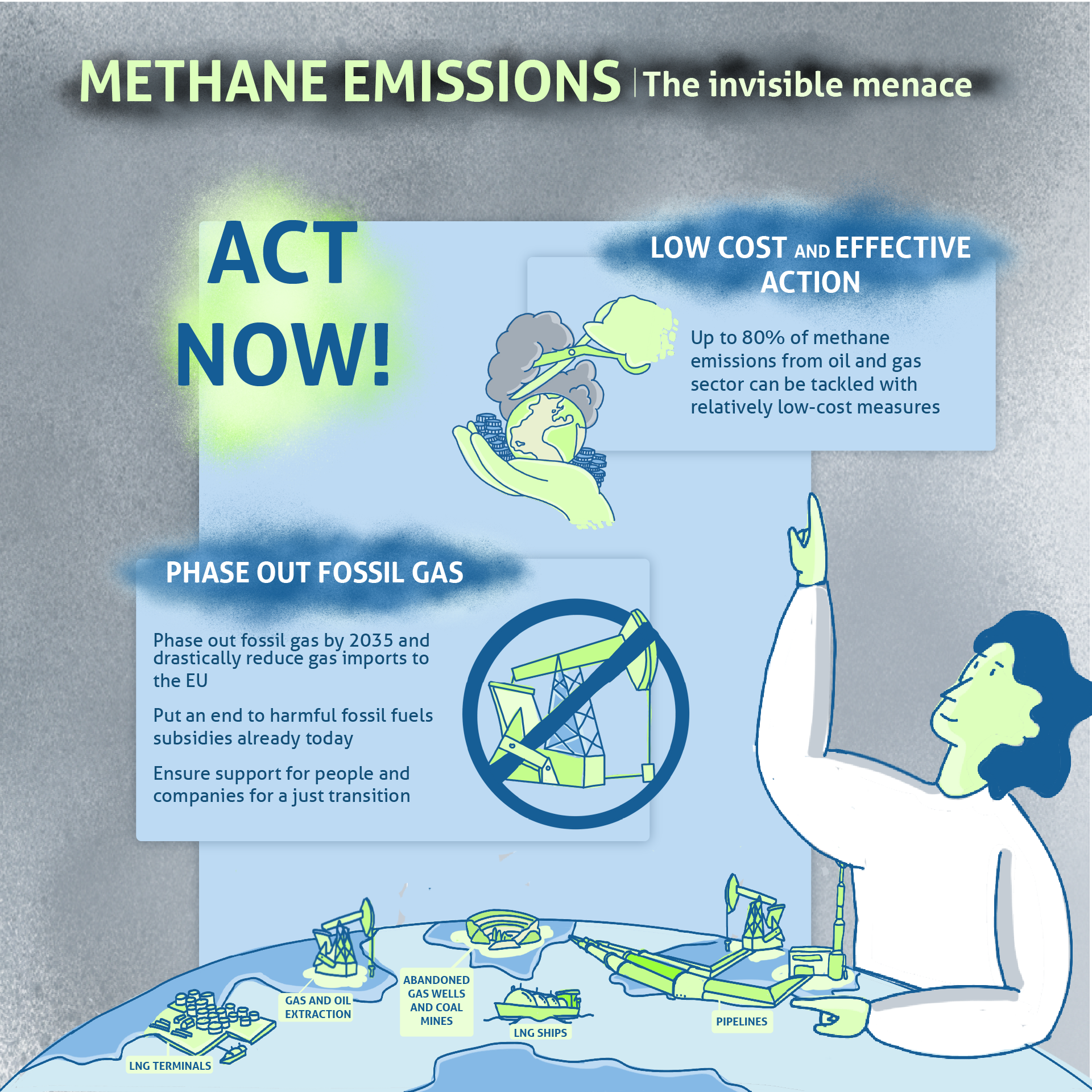
The European Parliament and Council came to an agreement on the EU Methane Regulation, providing a framework to tackle methane emissions. Yet, if the EU wants to effectively limit global temperature rise by 1.5C, more has to be done on methane mitigation measures, especially for imports. Reducing methane emissions will contribute greatly to phasing out fossil gas by 2035, which is needed to achieve climate neutrality by 2040.Full Reaction 15th November 2023 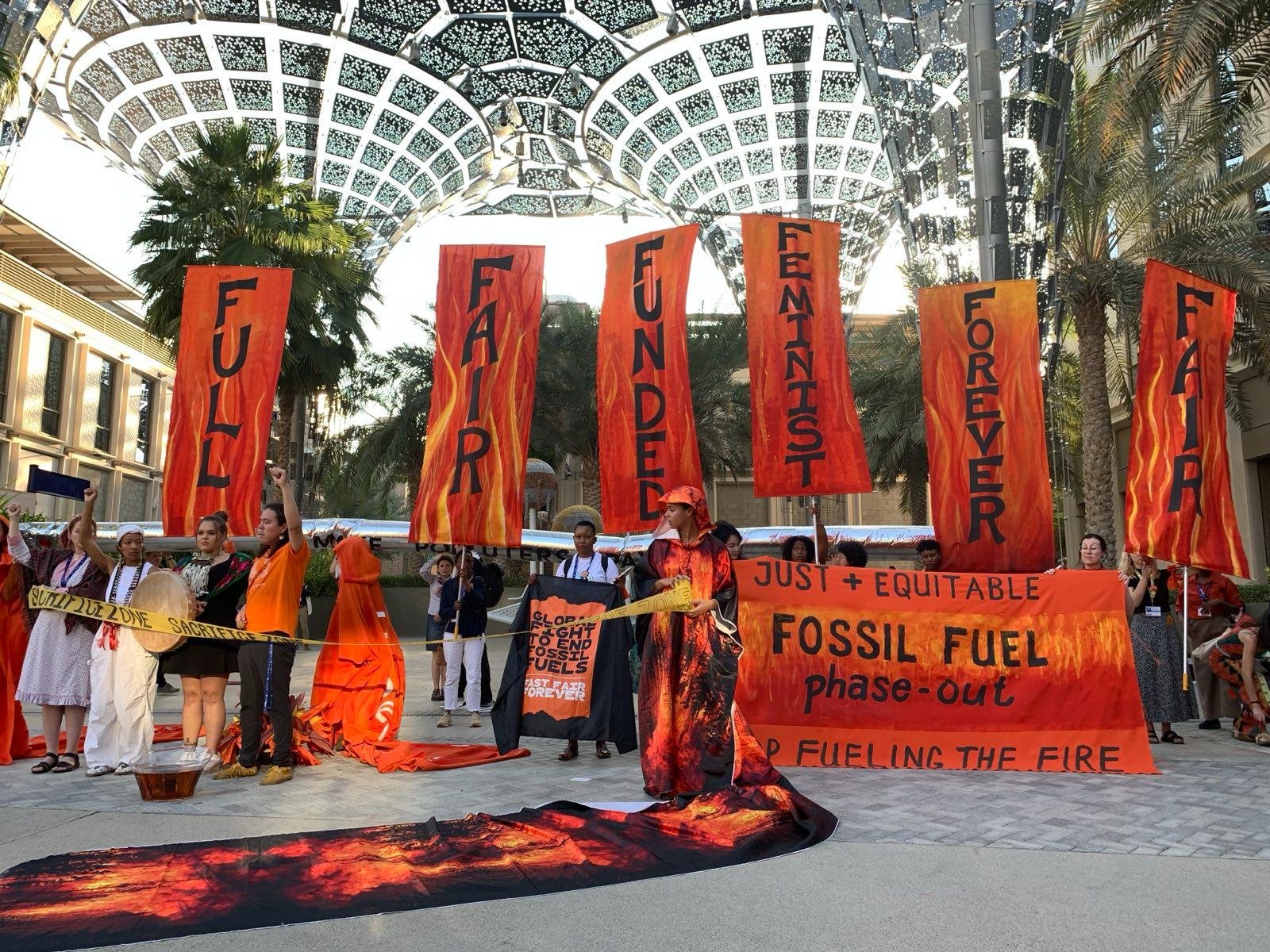 16th October 2023
EU agrees on a global phaseout of fossil fuels well before 2050
The EU has, for the first time, agreed on a global phaseout of fossil fuels from the energy sector well ahead of 2050 at COP 28. Overall, however, some loopholes remained for carbon capture and storage, throwing a lifeline to the fossil fuel industry. It is far more important and cost-effective for the EU to rapidly phase out fossil fuels and intensify efforts to build a fully renewable energy system.“At COP28, all parties should agree to a rapid, just and equitable global phase-out of fossil fuels in all sectors in line with the 1.5C temperature limit by 2050 at the latest. For the EU, this means coal must be phased out no later than 2030, fossil gas no later than 2035 and oil at the latest by 2040.” – Chiara Martinelli, Director at Climate Action Network (CAN) EuropeFull Reaction 16th October 2023
 27th March 2023
Agreement reached on the revision of the EU Renewable Energy Directive (RED)
Policymakers fell short on ambition and voted for a binding EU 2030 renewable energy target of 42.5%, with a voluntary target of 45%, despite the PAC scenario showing that a 50% EU 2030 renewable energy target is needed to keep the EU in line with its Paris Agreement Goals. Moreover, the target did not reflect trilemma impacting lives across Europe – specially the most vulnerable people – of rising energy costs, energy insecurity and the looming climate crisis. “The ambition level shown by EU policymakers on the Renewable Energy Directive is not in line with what scientific evidence is showing us. If we are serious about reaching climate neutrality, Member States will now need to work together and surpass a 50% EU renewable energy target by 2030. This way, the EU will be contributing its fair share to limit global warming to 1.5.C. With the ‘Fit for 55’ package almost concluded, it’s of the utmost importance for higher ambition on the remaining legislative files on buildings and gas. Our future depends on them.” – Chiara Martinelli, Director at CAN Europe Full Reaction 27th March 2023
 10th March 2023
Agreement reached on the revision of the EU Energy Efficiency Directive
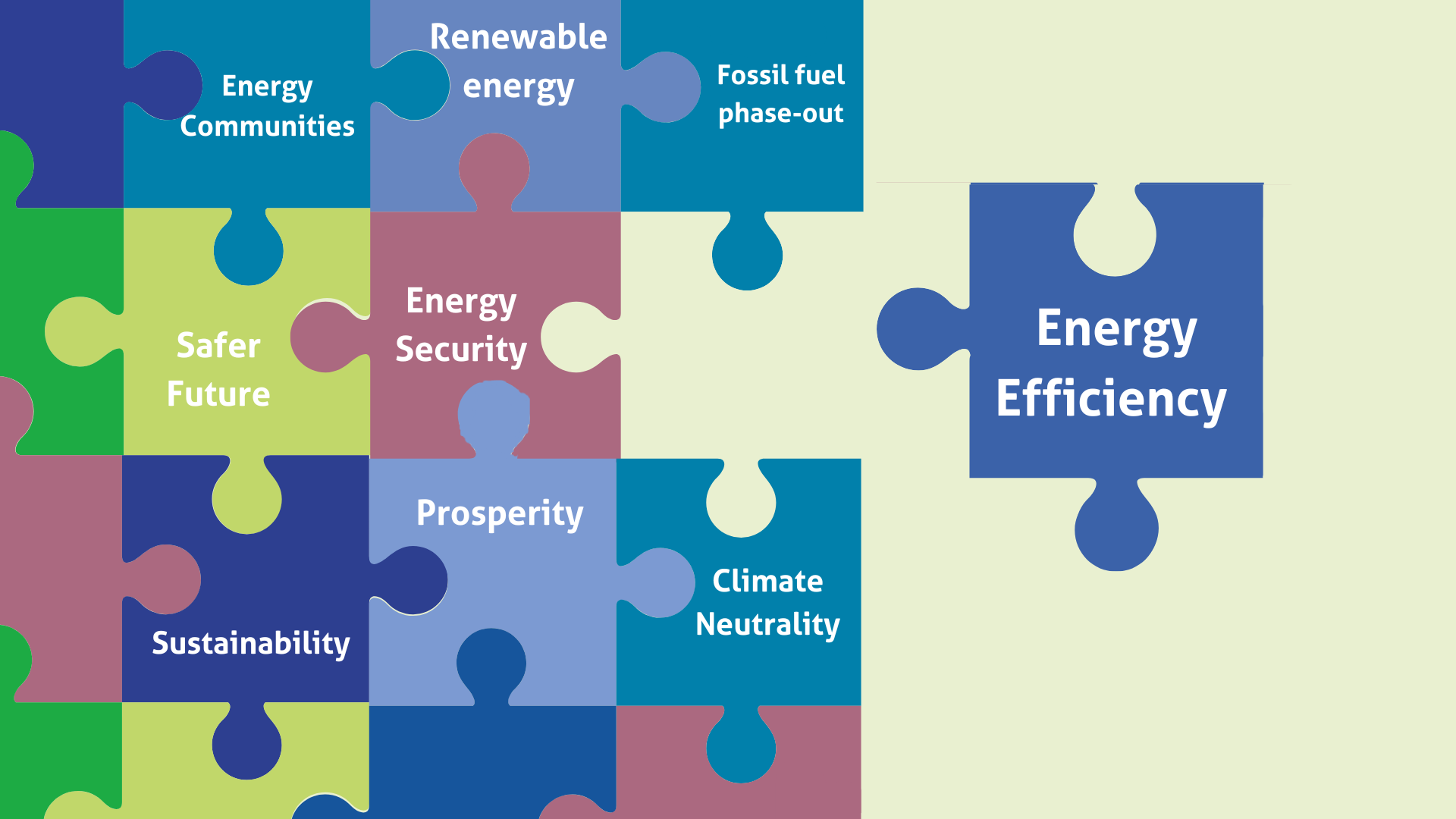
Negotiators from the Council Presidency and the European Parliament come to a deal on the Energy Efficiency Directive, making an end to the trilogue negotiations. The agreement set a target to reduce final energy consumption across all EU Member States by 11.7% by 2030. This was far below the 20% energy efficiency target that is needed for the EU to fulfil its obligations under the Paris Agreement. The legislation became a “paper tiger”. “Despite mounting evidence on the harm that fossil fuels are having on the climate, people and our future, policymakers fall short once more on increasing Europe’s energy savings and taking a meaningful stance on reducing the EU’s dependency on fossil fuels. The ball is now in Member States’ court, their National Energy and Climate Plans provide an opportunity to reap the benefits of a higher energy efficiency target. Doing so will ensure more Europeans will be protected from fossil winters, the burden of skyrocketing energy costs and more dangerous climate events which are increasing year on year” – Verena Bax, Energy Savings Policy Expert at CAN Europe.Full Reaction 10th March 2023
 19th December 2022
Council adopted an Emergency Regulation to accelerate the deployment of renewable energy sources
At the end of December 2022, an Emergency Council Regulation on the acceleration of renewable energy deployment entered into force. This regulation, initially temporary until June 2024, includes actions targeted to accelerate the deployment of renewable energy sources, through fast tracking of the simplification of permitting procedures. In December 2023, the Council agreed to extend the period of application of certain amended provisions of the regulation until 30 June 2025. CAN Europe produced “Guidelines to Faster and Fairer Permitting for Europe’s Renewable Energy Transition”.“The revised Renewable Energy Directive (RED III) with its comprehensive framework encompassing new permitting rules hold promise for accelerating renewable energy deployment and meeting the EU’s climate and energy targets. However, success of delivery on the ground lies in its implementation at the hands of Member States. It’s their responsibility to implement these rules meticulously ensuring public engagement and community ownership, and synergies with nature protection.” – Seda Orhan, Renewable Energy Programme Manager at CAN Europe.Permitting Checklist 19th December 2022
 2nd November 2023
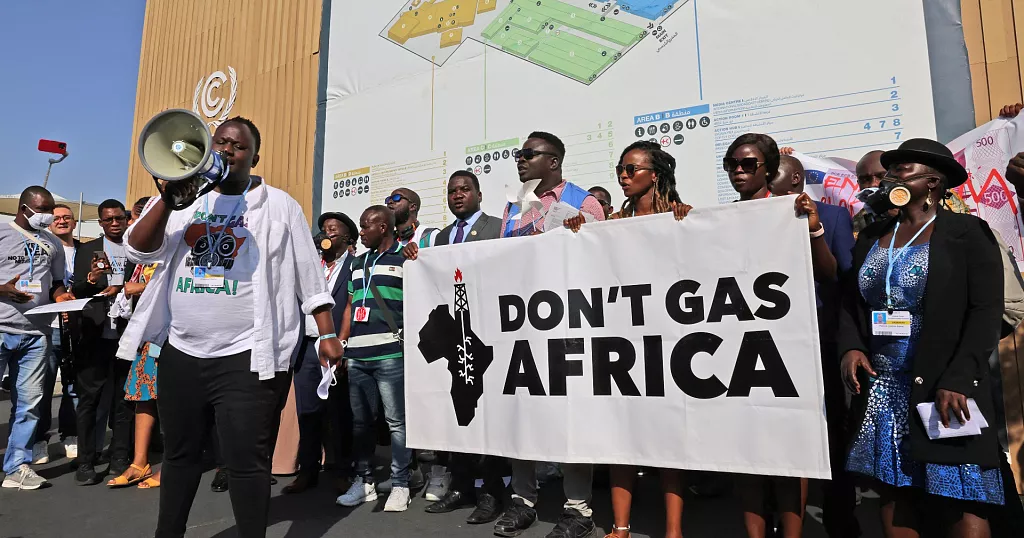
Europe’s ‘Dash For Gas’ In Africa
Ahead of COP 27, numerous NGOs from Europe and Africa signed a letter addressed to President Von Der Leyen, Vice President Frans Timmermans, and to the Heads of State in Germany, France, Italy and Spain, calling to “Stop Europe’s Dash for Gas in Africa”. “Don’t Gas Africa” is a African civil society led campaign that works to ensure that the continent is not locked into fossil gas production.Europe’s response to this crisis must not be to promote new oil and gas extraction and export infrastructure. This “dash for gas” in Africa is dangerous and short-sighted.
NGOs called on EU leaders to immediately cease any deals to expand gas production and infrastructure in Africa and instead invest in large-scale rollout of renewable energy in partnership with African countries and democratic institutions to support energy access and enable governments to develop zero-carbon industrial strategies that do not entrench fossil fuel development.The Letter 2nd November 2023
 October 2022
Save Gas for A Safe Winter
The European Commission proposed a European Gas Demand Reduction Plan to reduce gas use in Europe by 15% from between 1 August 2022 and 31 March 2023. In response, CAN Europe called for an end of “Fossil Winters”, as people are paying for years of climate inaction and ineffective climate policies, government’s systematic favouring the profit of fossil fuel companies over the wellbeing of the people, and the delay of the energy transition away from fossil fuels and towards sustainable renewables, energy savings and energy efficiency.
This fossil winter is yet another manifestation – cause and effect – of the climate crisis.
Only a just energy transition will put the power back into the hands of the people. We must ramp up action towards gaining energy independence from Russian gas and fossil fuels in general. Through maximising our energy savings, improving energy efficiency policies, and accelerating the massive rollout of sustainable renewable energy across Europe, we can empower communities and make fossil winters a thing of the past.Our Statement October 2022
 18th May 2022
EU Solar Energy Strategy #PowerToTheRoofs
As part of the REPowerEU plan the EU Solar Energy Strategy was adopted, identifying remaining barriers and challenges in the solar energy sector and outlining initiatives to overcome them and accelerate the deployment of solar technologies. The strategy put forward a target of over 320 GW of newly installed solar photovoltaic capacity by 2025, and almost 600 GW by 2030. The EU Solar Energy Strategy launched a dedicated European Solar Rooftops Initiative that aims to unlock the vast, underutilised solar generation potential of rooftops and includes compulsory installation of rooftop solar energy for buildings and goals such ensuring that at least one renewable energy community is set up in every municipality with a population higher than 10,000 people by 2025. CAN Europe published a report comparing EU countries’ policies and practices in regards to residential rooftop solar PV and revealed the lack of a right regulatory framework and many barriers that are hindering the uptake of rooftop solar PV. An updated report has been produced in 2024 looking into the progress made by Member States in the deployment and facilitation of household rooftop solar PV since the adoption of the European Solar Rooftops Initiative in 2022.“The ball is in Member States’ court now to massively increase the uptake of rooftop solar PV. Improving policy and regulatory frameworks and establishing the right support mechanisms and incentives will be the first major steps in the solar rooftop revolution. This will enable citizens and communities to fully engage in the energy transition” – Seda Orhan, Renewable Energy Programme Manager at CAN Europe Full Report 18th May 2022
 18th May 2022
REPower for the People
By the end of 2021, awareness of the unprecedented increases in global energy prices was growing. The EU’s dependence on volatile fossil gas, mostly from Russia, was being exposed. Following Russia’s unjustified invasion of Ukraine in February 2022, historically high fossil gas prices caused a dramatic increase in the cost of living for Europeans. In March 2022, the European Commission launched a communication on the ‘REPowerEU’ plan outlining a series of measures to respond to rising energy prices and to make Europe independent from Russian fossil fuels well before 2030.The intention was to reduce EU demand for Russian gas by two thirds before the end of the year, while boosting energy savings and supporting bigger efforts in renewables’ roll out. Following the communication, heads of the EU Member States invited the Commission to flesh out the Plan in May to phase out the dependency on Russian fossil fuels as soon as possible. CAN Europe produced a first paper with recommendations followed by a more comprehensive REPower For the People briefing to influence the drafting of the Plan. Our briefings outlined tangible short and mid-term recommendations to the Commission and Member States in order to put people and nature at the heart of ‘REPowerEU’.REPower for the People 18th May 2022