We can only fulfil a just transition to 100% renewable energy through enhancing our electricity grids and electrifying demand, allowing renewables to decarbonise.
Today around 23% of final energy consumption is via electricity, meaning significant shares of industry, transport, and heating are unable to benefit from renewable electricity such as solar and wind. At the same time, our power grids are old, congested, and inflexible, which risks new renewable resources not being able to be connected to the grid.
Electrification of demand means switching out old oil and gas consuming technologies, in favour of solutions which can consume electricity instead. This can include switching household gas boilers for heat pumps, fossil-powered cars for electric buses, and dirty industrial coal heaters to new electric arc-furnances. However, this must be done in a way that is equitable, to not burden vulnerable households, and to ensure historically-polluting industries are paying their fair share. We must ensure that this is a renewables-based electrification, meaning new electricity is produced by wind and solar, not new gas turbines.
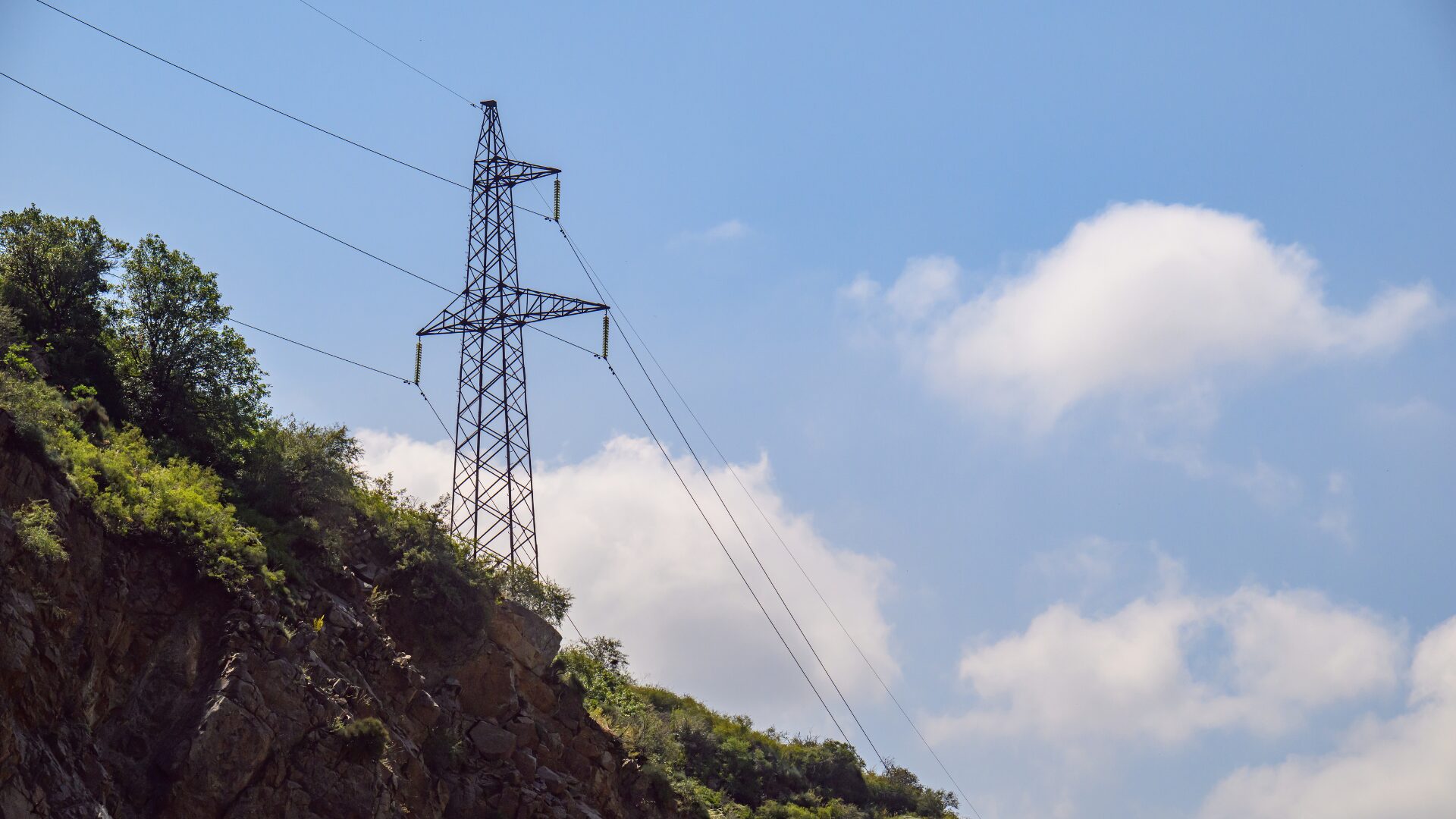
Europe’s grids need modernisation to allow for renewables-based electrification. New cables can take several years to build, and require high up-front costs. Speeding up grid development is required, but the removal of vital environmental legislation is counter-productive – digitalising applications, and increasing staffing and resources is the solution. Countries must ensure grid plans include public participation from the start and follow the latest nature-friendly designs. More public investment can help keep costs off consumers.
Energy efficiency must remain at the heart of this work. Households are unable to electrify their heating and cooling if buildings are not renovated, and an overuse of data centres risks absorbing new electricity and not bringing down emissions. While the electricity grid needs to be expanded, it also needs to be optimised, to ensure energy is not wasted, by deploying energy storage, demand flexibility and grid-enhancing technologies, to ensure effects on space, resources, and communities can be minimised.
Linking this work, consumers must play a role in the energy system. Fair flexible network tariffs can allow consumers to benefit when they act flexibility, lowering costs and helping to maintain a healthy grid.
News & Publications
-
Reports & Briefs
The path to affordable electricity: lessons from 7 European countries
-
Presentations & Infographics
How do we make Electrification smart and fair? 5 essential facts.
-
Presentations & Infographics
Factsheet: How can Europe bring electricity prices down?
-
Letters & Statements
Letter: The EU needs to address the root causes of high electricity prices
-
Reports & Briefs
FAQ: EU Grids Package