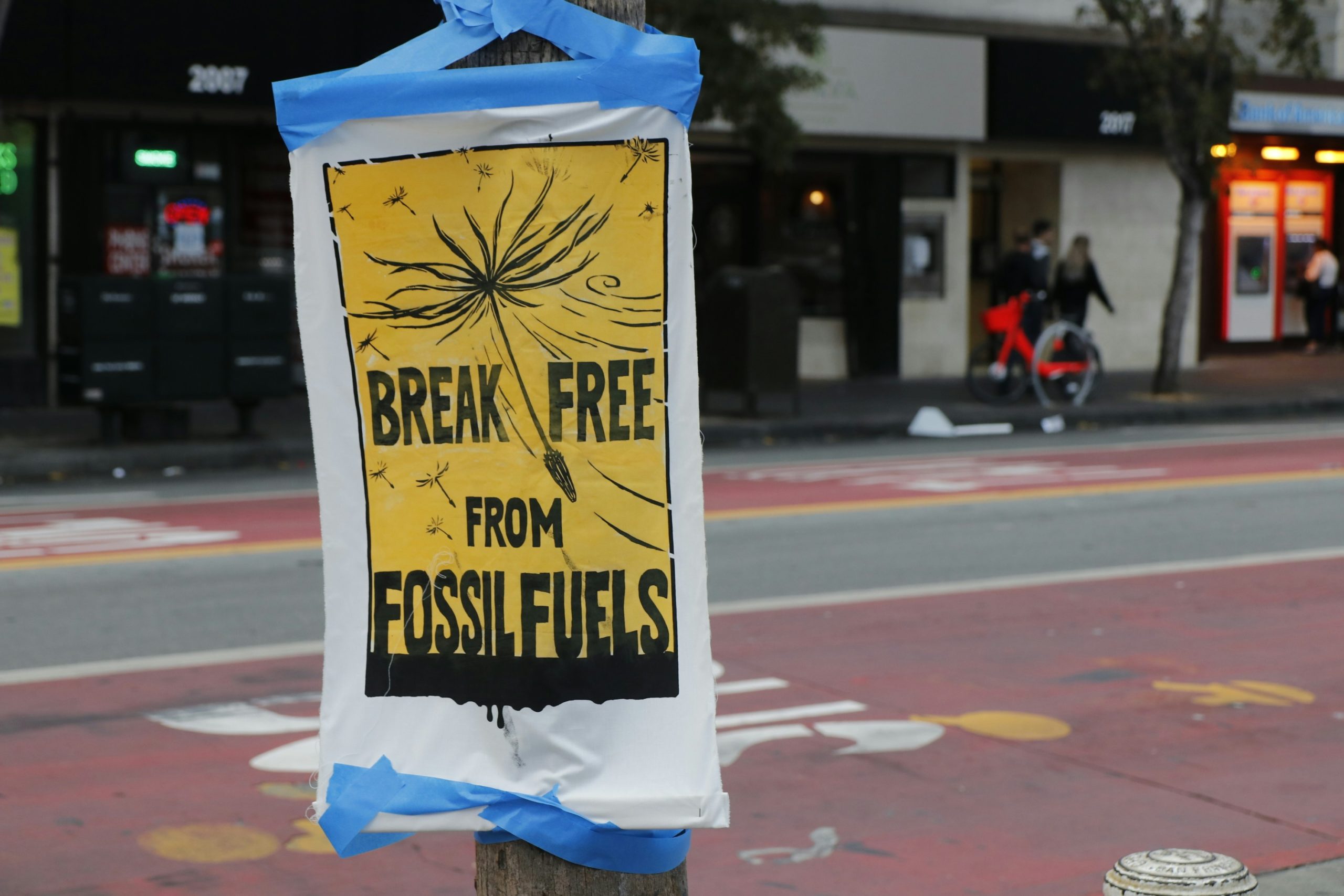
Fossil fuel combustion – coal, oil and gas – is by far the largest contributor to global climate change, accounting for 80 percent of greenhouse gas emissions globally. Fossil fuel subsidies have infiltrated all sectors of our economy and are now pervasive, multiform and massive. These subsidies directly hinder the efforts to transition to 100% renewable energy.
In the EU, the overwhelming majority of fossil fuel subsidies are at national-level, but recently adopted EU legislation opens the door again to fossil fuel subsidies for oil and gas infrastructure that would lock us in fossil fuels for many years, while gas boilers remain eligible for support in several EU funds.
Whether they relate to production or consumption, fossil fuel subsidies are damaging people and the planet, in many cases benefit most the wealthiest, they are preventing the energy transition towards renewable energy systems, damaging public health (air pollution) and hampering the achievement of emissions reductions goals.
CAN Europe urges to end subsidies benefiting the wealthiest without further delay, and to support people working in the sectors impacted in the transition. Job growth in new energy transition sectors, more than offsets a decline in traditional fossil fuel supply sectors. However, state schemes should ensure the working conditions do not deteriorate, collective bargaining should organise the transition to new jobs and the role of trade unions needs to be promoted and protected in the new green sectors.
According to CAN International, at global level, all fossil fuels need to be phased out by 2050 worldwide, shifting to 100 % renewable energy sources. For CAN Europe, Paris Agreement-compatible fossil fuel phase out in the EU means an end by 2030 for coal, 2035 for fossil gas, and 2040 for oil, at the latest.
The hidden cost of fossil fuels for the environment, climate and public health requires urgent action in many areas, from international finance to trade, fisheries, agriculture, transport, industry, taxation, budget, finances, state aid, housing, social protection, education and skilling, and energy and climate of course. Ending fossil fuel subsidies is everyone’s business in each and every national ministry and at EU level.
Main publications:
https://caneurope.org/content/uploads/2023/03/Fossil-Fuels-Subsidies-Report.pdf
News & Publications
-
Reports & Briefs
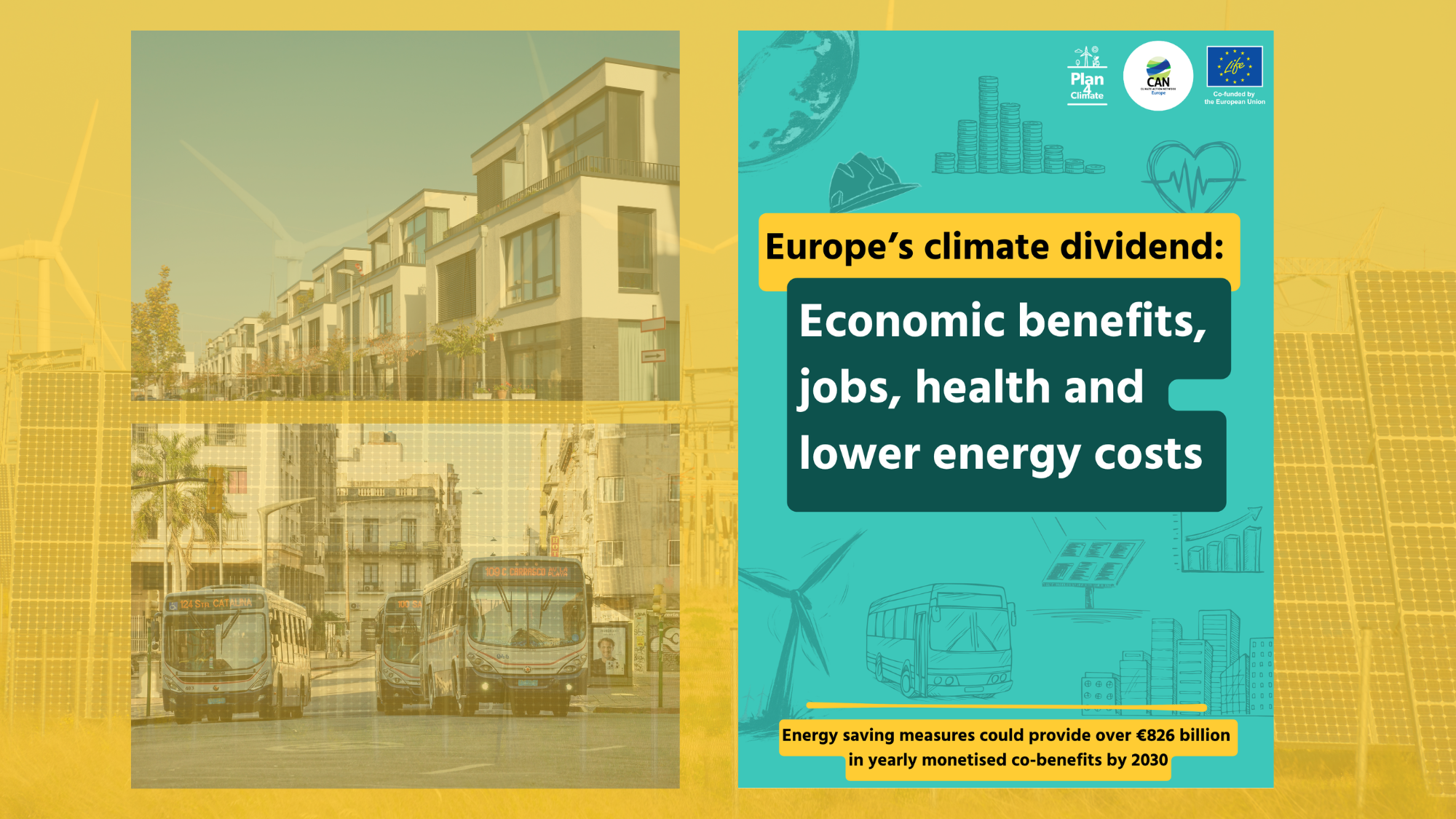
Europe’s climate dividend: Economic benefits, jobs, health and lower energy costs
-
Letters & Statements
Letter to EU leaders ahead of the 15-16 October European Council
-
CAN Europe Positions
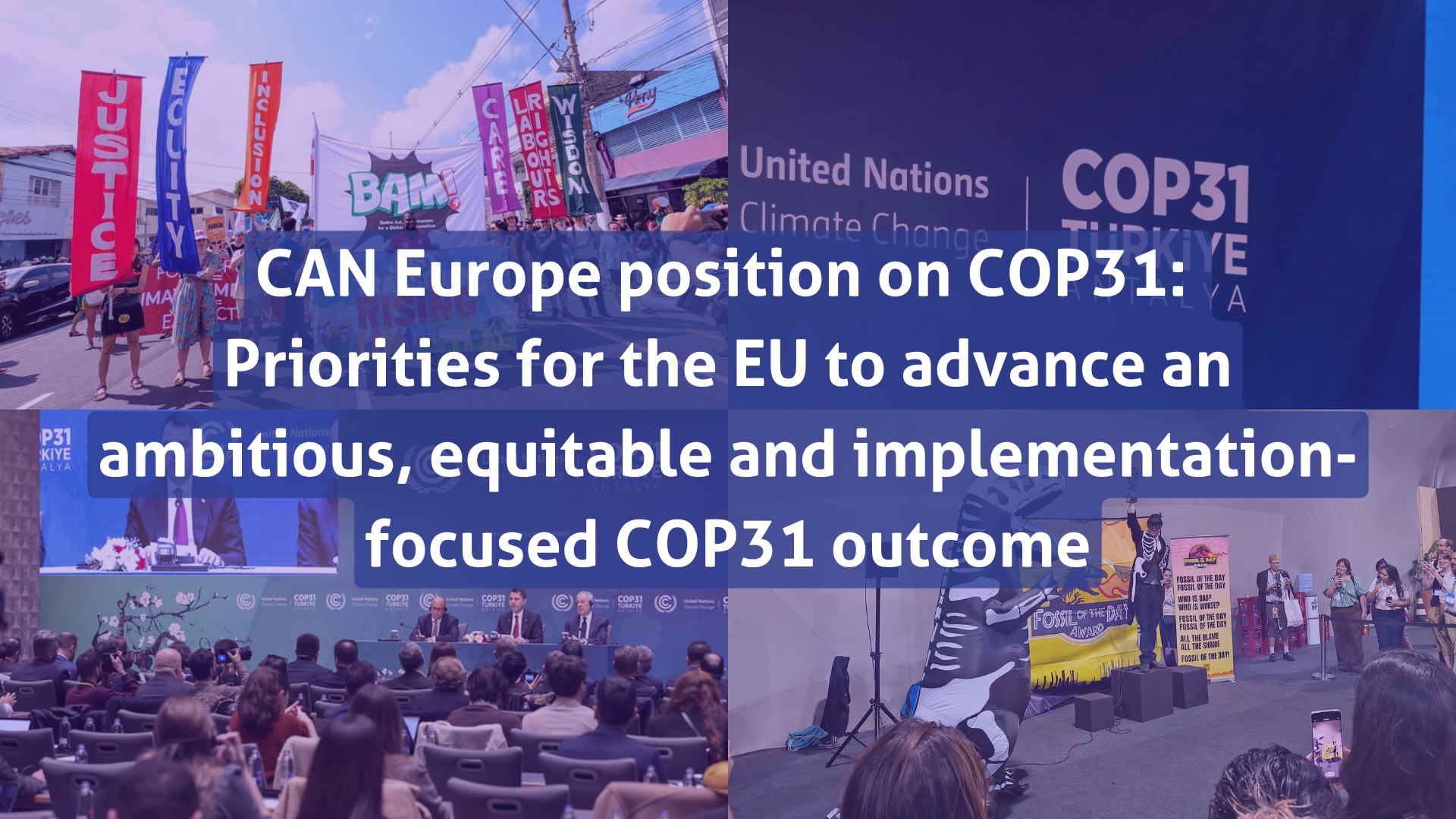
CAN Europe position on COP31: Priorities for the EU to advance an ambitious, equitable and implementation-focused COP31 outcome
-
Letters & Statements
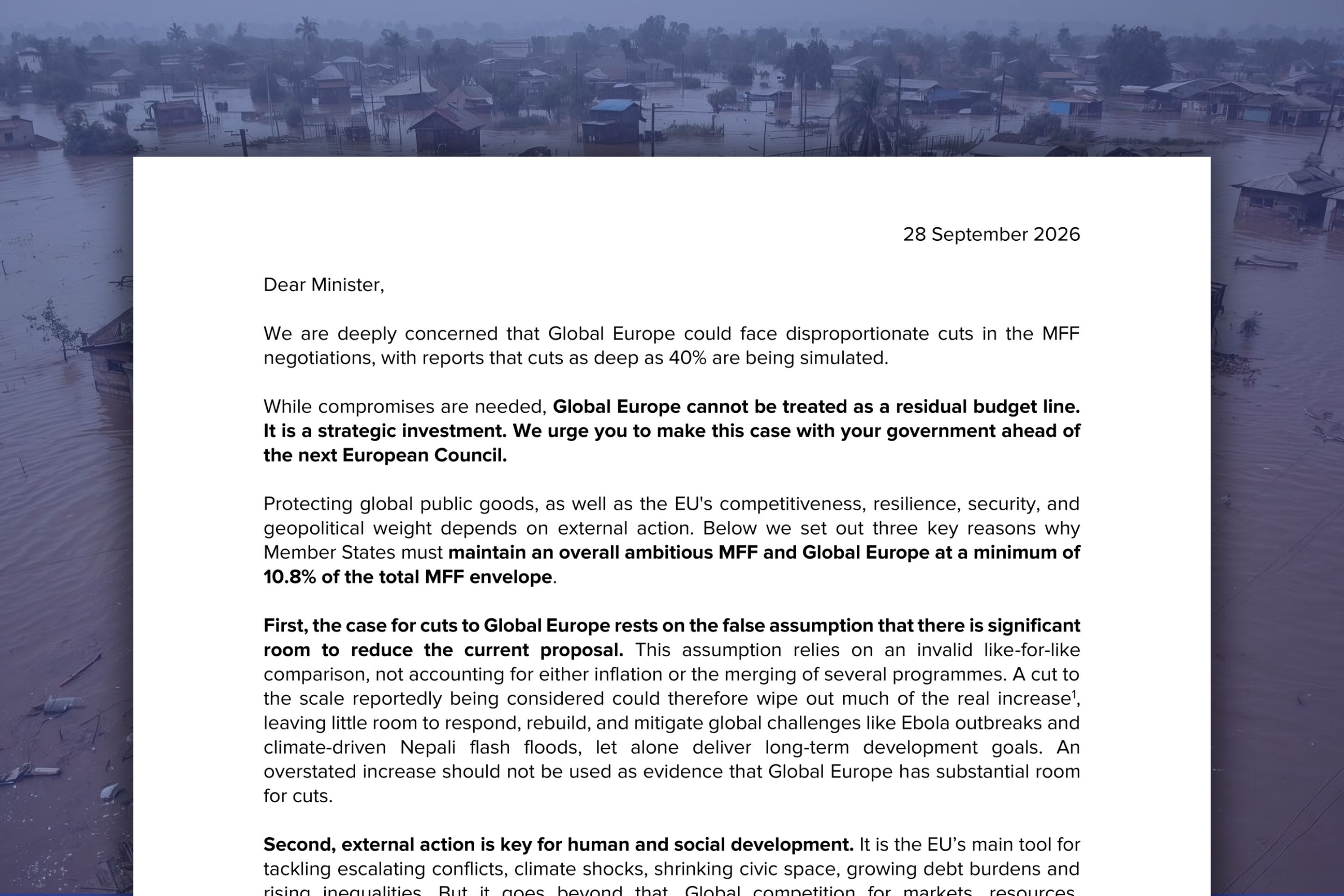
Joint Letter to EU Development Ministers: Global Europe is not a residual budget line
-
Letters & Statements
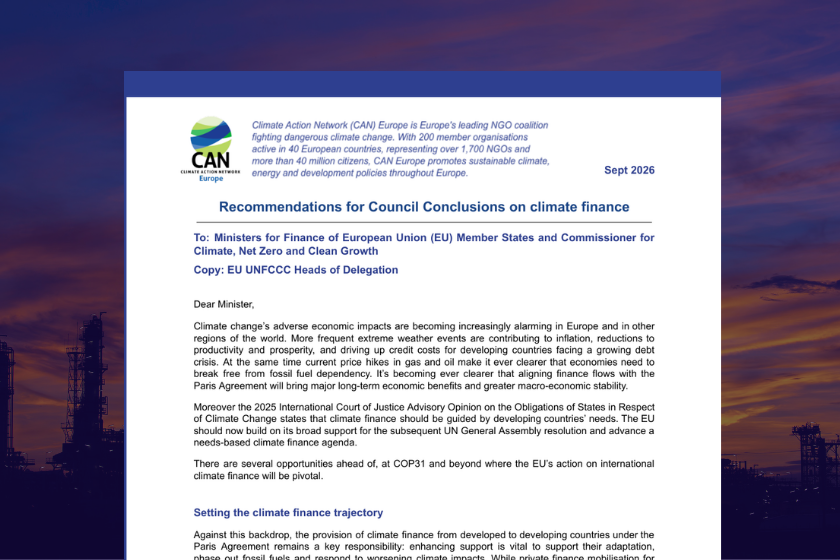
Letter to EU Finance Ministers on international climate finance ahead of COP31
-
Letters & Statements
Joint letter to Tánaiste and Irish Finance Minister: Fossil fuel profit taxation and the 18-19 September ECOFIN meeting