To reach climate neutrality by 2050 and even by 2040 as advocated for by CAN Europe and based on scientific evidence, we need to get rid of polluting fossil fuels in our energy system.
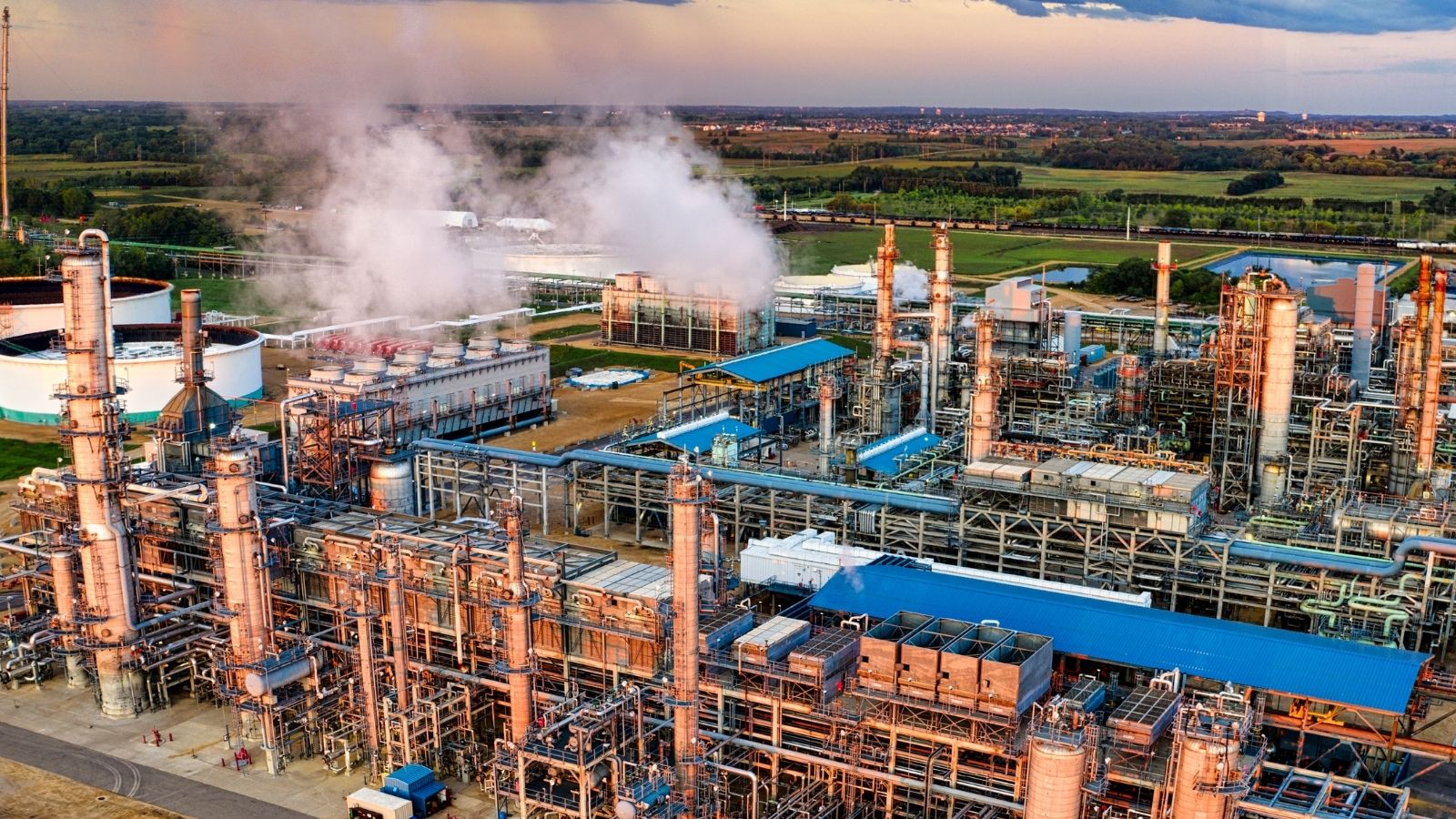
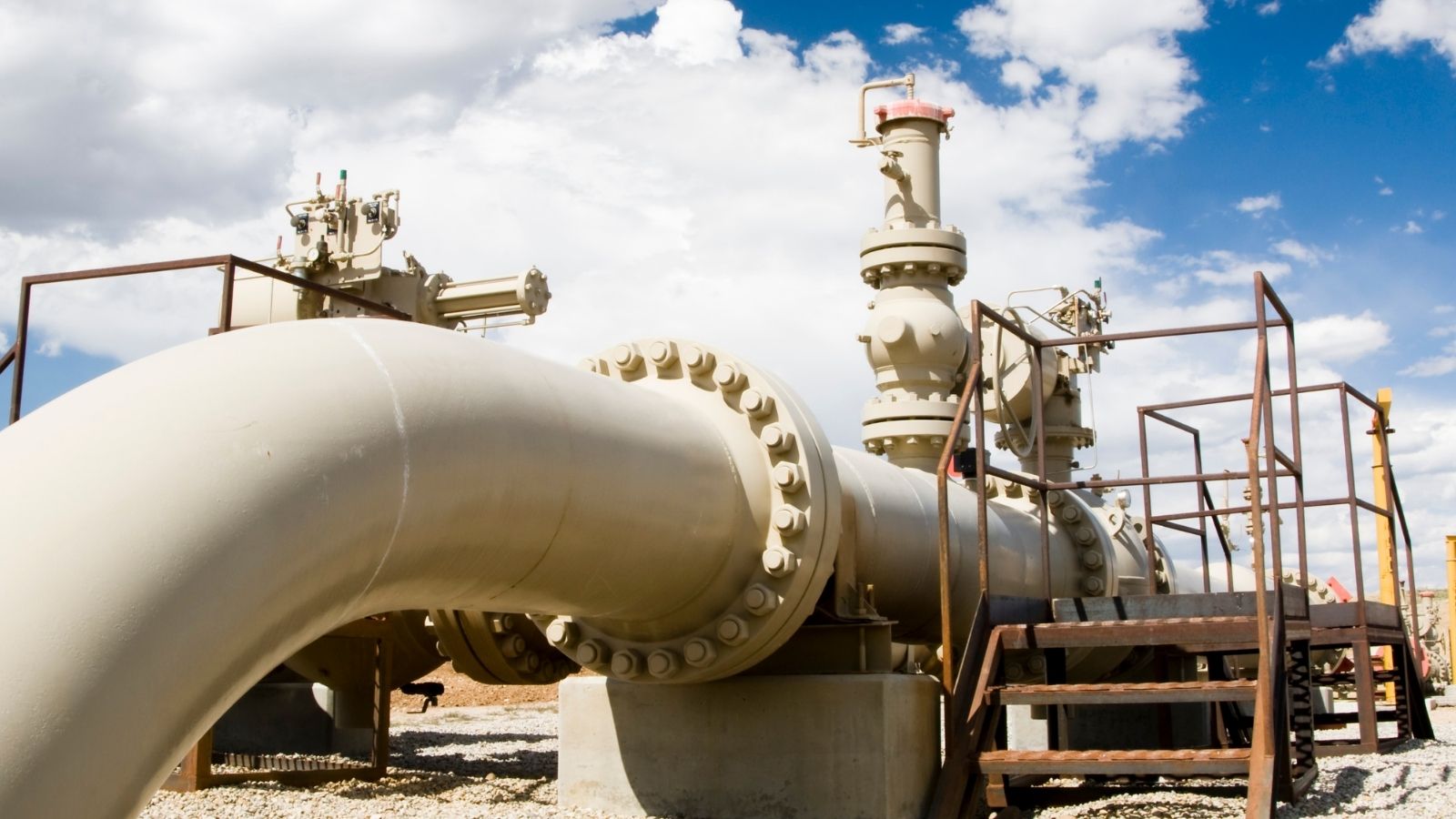
While a European wide coal phase out is well advanced, a similar trend and narrative needs to be initiated for fossil gas emitting climate wrecking greenhouse gases such as carbon dioxide and methane. The polluting fuel is hailed by the gas industry and politicians as an indispensable transition fuel. However fossil fuels have no role to play in a future energy system based on renewables and energy efficiency. Member States and the EU should start planning right away for a gas phase out by 2035, and develop phase out plans with intermediate objectives.
CAN Europe’s work on gas focuses on topics such as energy infrastructure and how to avoid that EU public funds are spent on new gas pipelines, plants or terminals. We closely scrutinise the modelling and planning of future energy infrastructure as well as proposed gas projects.
In terms of governance we question the legitimacy of ENTSO’s central role in the modelling and planning of energy infrastructure. These tasks need to be given to an independent and scientific body reflecting and integrating in a fully transparent way all energy solutions needed in a 100% renewables and energy efficient system.
Fossil fuels have no role to play in a future energy system based on renewables and energy efficiency.
Non fossil gases such as hydrogen generated from renewable electricity only will play a role in the future, however their availability needs to be assessed carefully. Renewable energy production needs to strongly increase to cover growing electrification in many sectors as well as renewables based hydrogen production. The strong enthusiasm shown by the gas industry on hydrogen shows its attempt to stay on the gas train by dressing up into a hydrogen-hydra, with a big fossil and a small renewable hydrogen head.
Worrying trends around governance also appear in planning and investment decisions to be taken on the future hydrogen economy. Currently, the Commission communicates a lot about “green hydrogen” based on renewables, however the actors in the driving seat of the “Clean Hydrogen Alliance” stem mainly from the fossil gas industry.
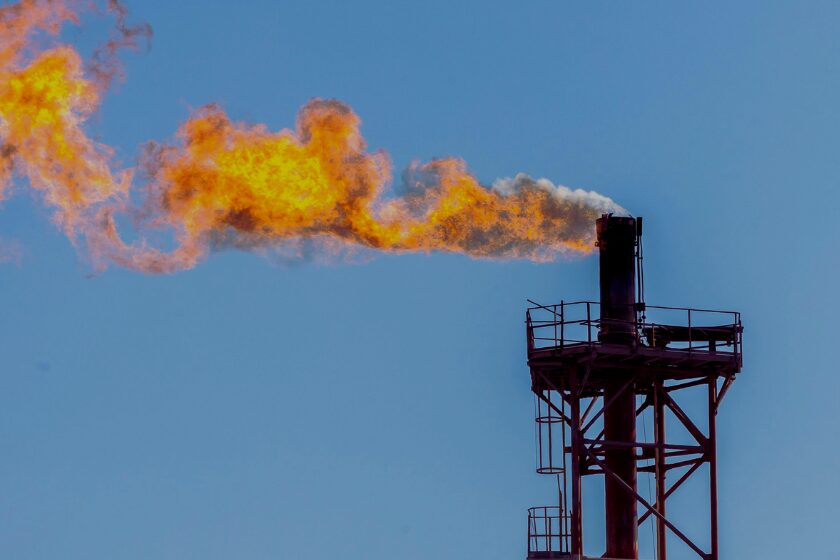
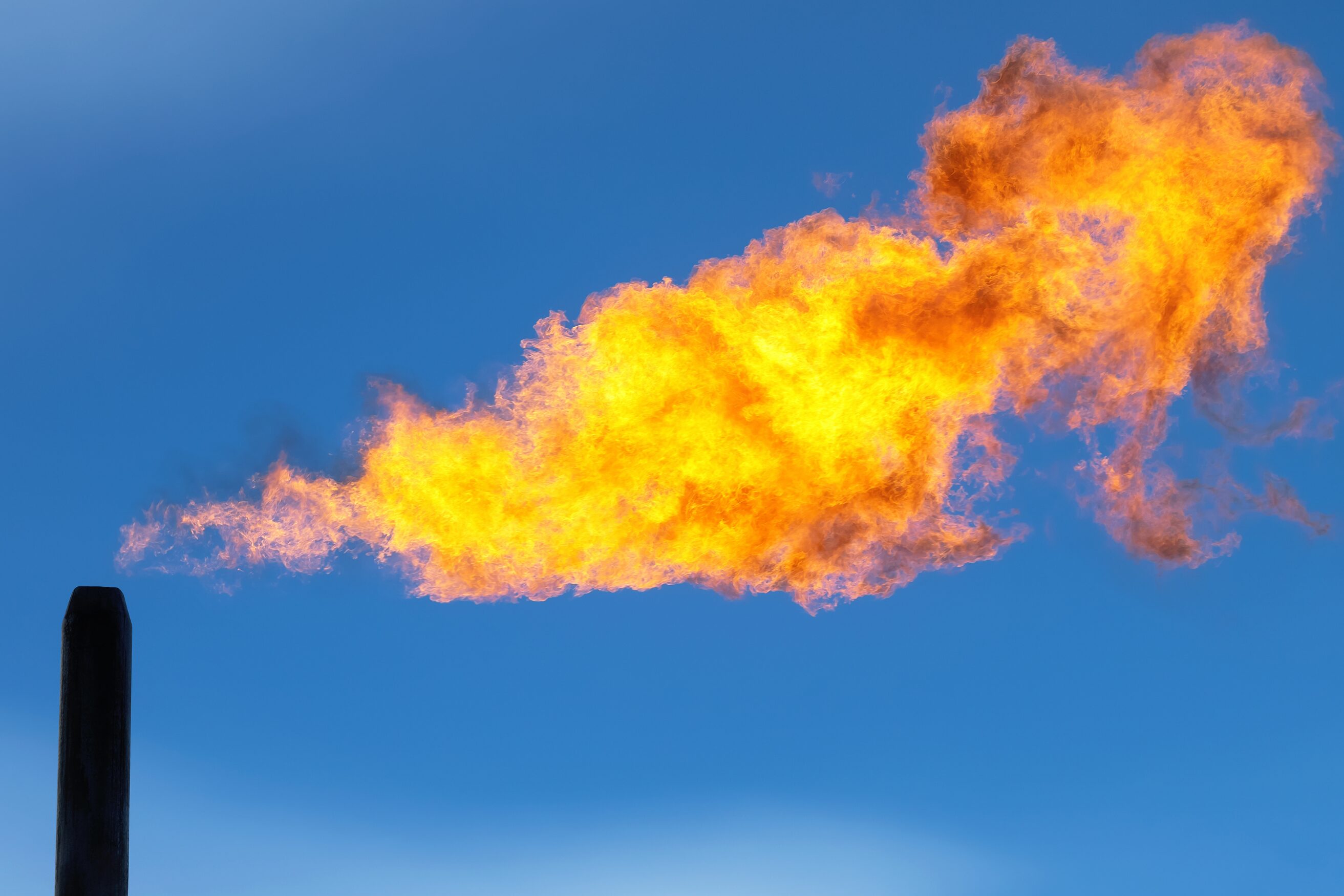
Finally, methane emissions occurring at extraction, transmission and end-use stages contribute significantly to climate change. Alongside a fossil gas phase out, methane emissions should be eliminated by banning venting and flaring and introducing emission performance standards.
CAN Europe has long been involved in monitoring the implementation of the climate and energy governance framework. Since 2019, CAN Europe has been coordinating three LIFE projects aiming to facilitate the effective and early transition of Member States across Europe to low carbon and resilient economies: Unify (2019-2022), Together for 1.5 (2022-2025) and Plan4Climate (2025-2028).
The European Climate Law, the cornerstone of the European Green Deal, was adopted in 2021. This framework legislation writes into law the goal set out in the European Green Deal for Europe’s economy to become climate-neutral by 2050. The law also sets the intermediate target of reducing net greenhouse gas emissions by at least 55% by 2030, compared to 1990 levels.
CAN Europe has worked to influence this new framework throughout the legislative procedure by urging parties around the table to include several key elements, including an at least 65% emission reduction target compatible with science and with the EU’s Paris Agreement commitment. As often, the law could have been far more ambitious, but represents a step in the right direction.
The final version of the law contains the following elements that are worth highlighting:
- 2030 target of ‘at least 55% net’. The 2030 target negotiations were preempted by the European Council conclusions in December 2019, with Heads of States settling for an “at least 55% net” target. In order to implement this target, the Commission adopted or amended from 2021 until 2023 several key EU laws as part of its Fit for 55 legislative package.
- 2050 climate-neutrality objective: The Council was against a climate neutrality that would apply to each Member State individually, it therefore applies to the EU as a whole. Some silver lining was language saying that the EU shall aim to achieve negative emissions after 2050.
- Greenhouse Gas Budget agreed, but only for 2030-2050: The European Commission is required to present a greenhouse gas budget for the European Union, alongside the introduction of a climate target for 2040. When preparing this budget, the Commission is required to consider, among other elements, the advice of the recently created European Scientific Advisory Board on Climate Change (ESABCC), as well as social, economic and environmental impacts, including the costs of inaction.
- European Scientific Advisory Board on Climate Change (ESABCC): The ESABCC is an independent advisory board composed of 15 senior scientific experts covering a broad range of relevant disciplines. It was created by the European Climate Law and started to work in 2022. Its role is to evaluate policies and identify actions and opportunities to achieve the EU’s climate targets. Among others, the ESABCC has provided scientific information to the European Commission in the preparation of the 2040 climate target and 2030-2050 greenhouse gas budget.
- Climate mainstreaming: The European Climate Law requires the Commission to undertake a policy consistency check of EU measures with the 2050 climate neutrality objective. The Commission is also required to assess the progress made by Member States towards the achievement of the climate neutrality objective, both collectively and on the basis of national measures. These assessments are conducted every 5 years, starting in 2023.
Fossil fuel subsidies: Language, in a recital, saying that the EC will have to come up with a better methodology for monitoring at Member State level, but nothing on a possible phase-out date.
News & Publications
-
Presentations & Infographics
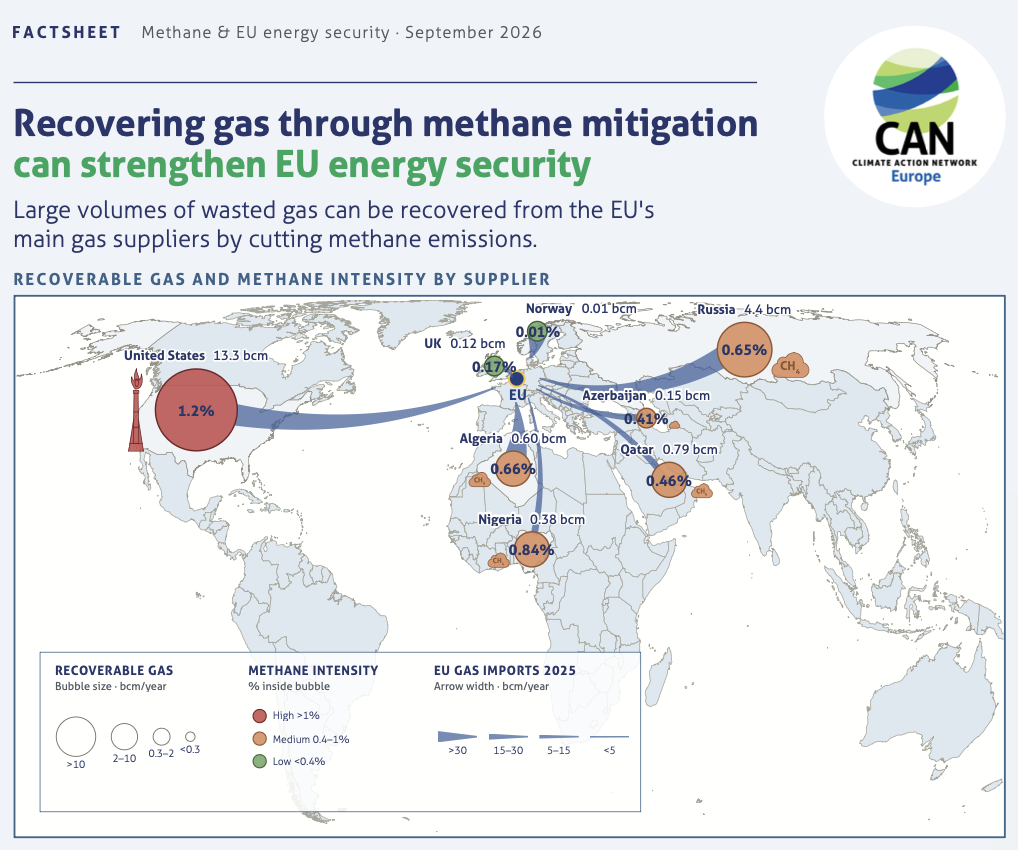
New factsheet: The scale of methane waste across Europe’s main gas suppliers
-
Letters & Statements
New policy brief & joint NGO letter: Europe can recover huge amounts of wasted gas by cutting methane – EU methane rules can make it happen
-
Blogs & Op-eds
The EU doesn’t need more gas. It needs a Fossil Gas Exit Strategy.
-
Press Releases
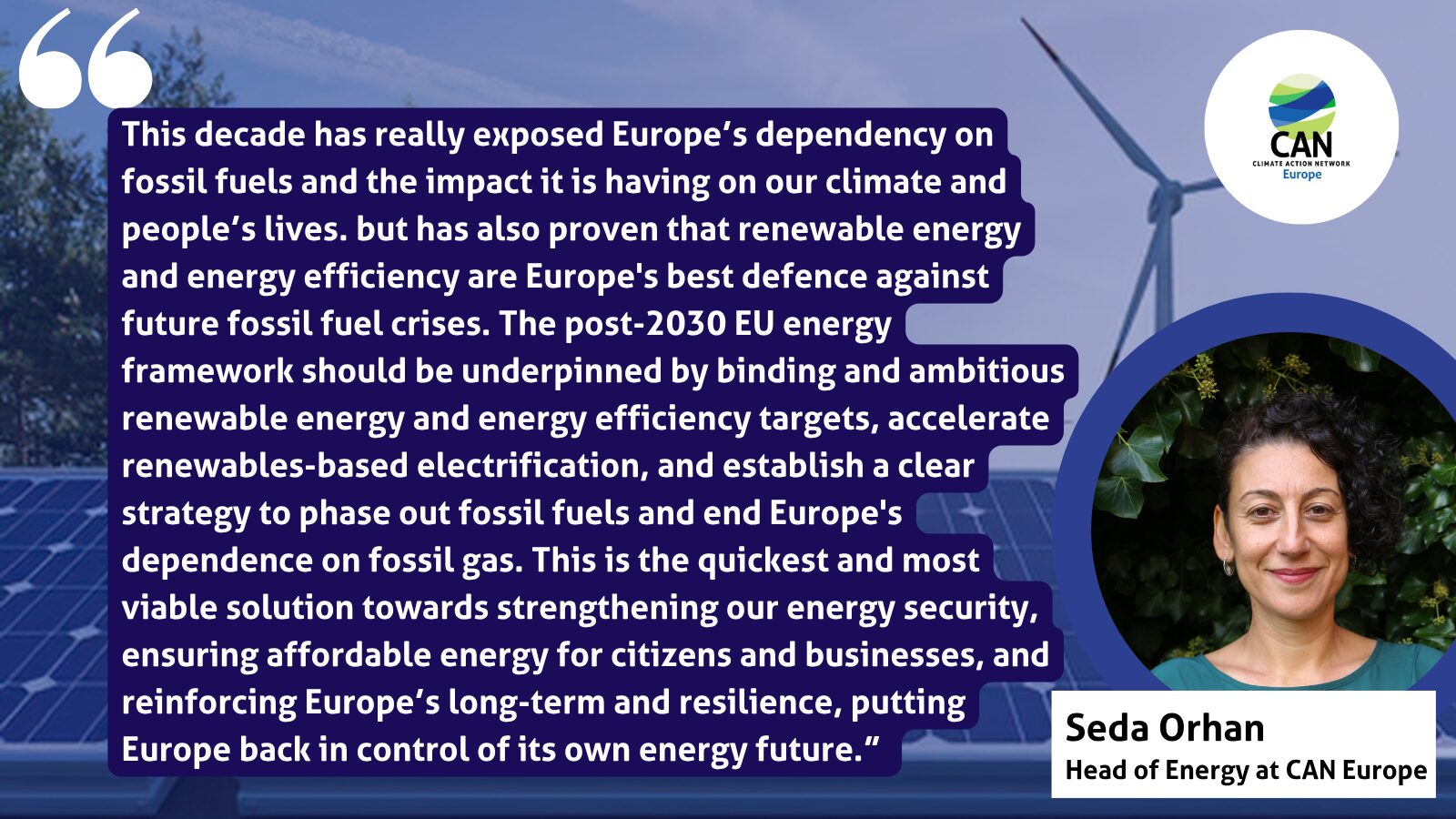
CAN Europe’s Reaction to the EU Energy Council – 26th June 2026
-
Blogs & Op-eds
Big gas is trying to cash in on Europe’s fossil fuel crisis
-
Letters & Statements
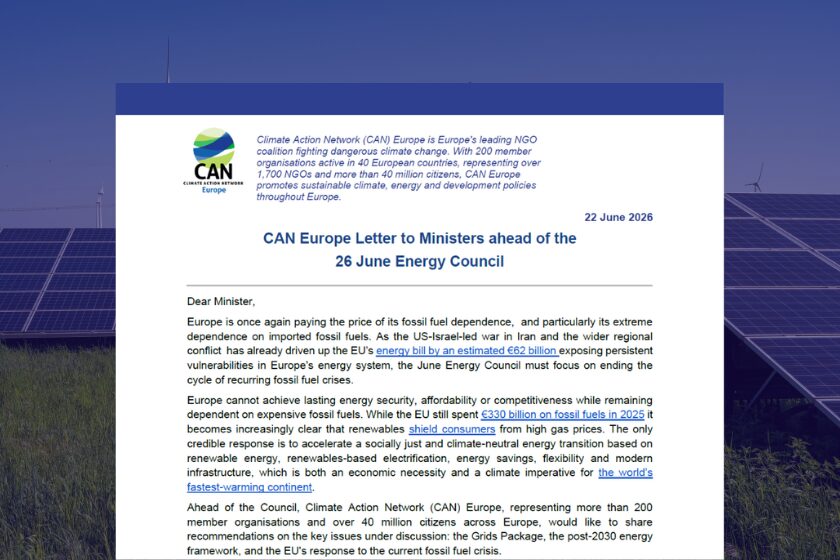
CAN Europe Letter to Ministers ahead of the 26 June Energy Council